 简体中文
 繁體中文
 English
 Français
 Русский
 日本語
 Tiếng Việt
 한국어
 Deutsch
 Español
 Italiano
 Português
 العربية
 ไทย
 Bahasa Indonesia
 Bahasa Melayu
 Türkçe
 Polski
 Nederlands
 Dansk
 Norsk
 Қазақша
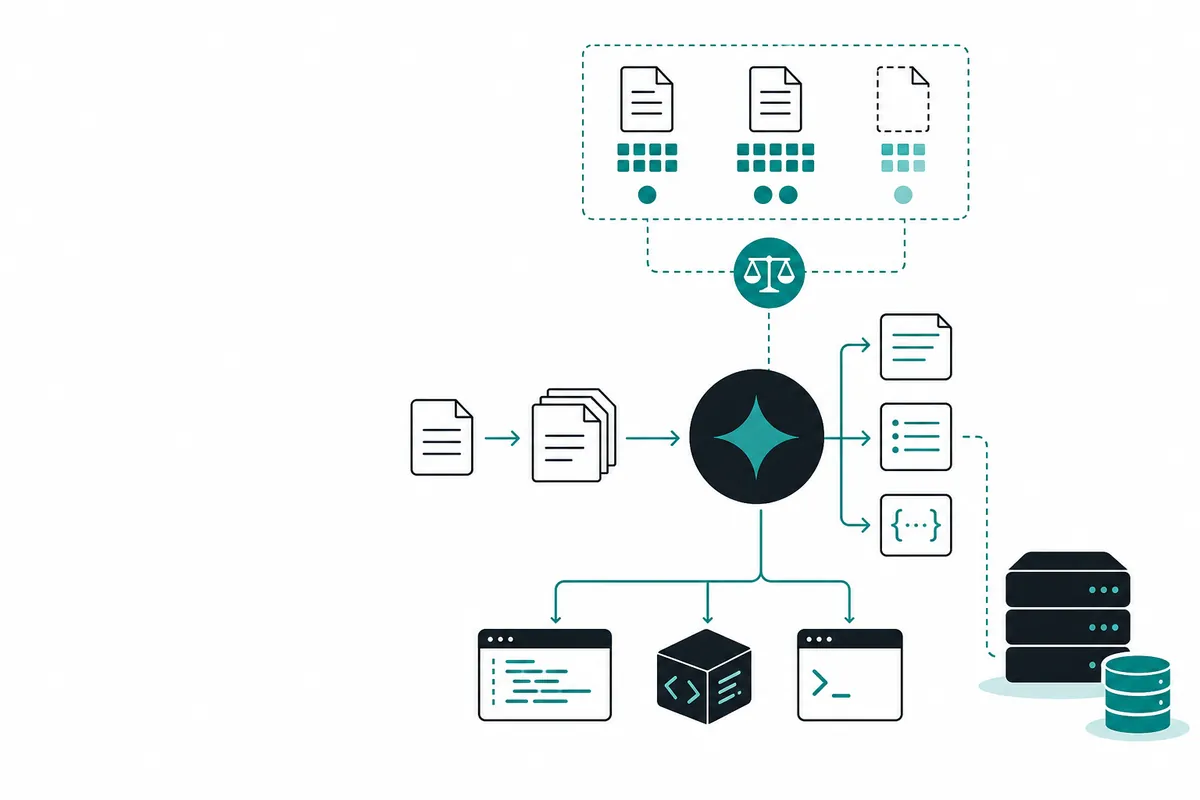
Gemini 2.5 Flash API Pricing and How to Call It
Compare Gemini 2.5 Flash input, output, and cached-token prices, estimate a request budget, and make an OpenAI-compatible call with Python, Node.js, or cURL.
October 17, 202685 viewsEnglishTutorial
Compare leading AI models across reasoning, coding, multimodal output, latency, pricing, and upgrade decisions.
Compare Gemini 2.5 Flash input, output, and cached-token prices, estimate a request budget, and make an OpenAI-compatible call with Python, Node.js, or cURL.

Connect Claude Code Router to a Zhipu-compatible provider without mixing keys, billing plans, or API protocols. Check the route before trusting an agent workflow.

Find Claude pricing on Google Cloud, separate input and output charges, and compare a reference Vertex rate with a gateway rate without mixing billing products.
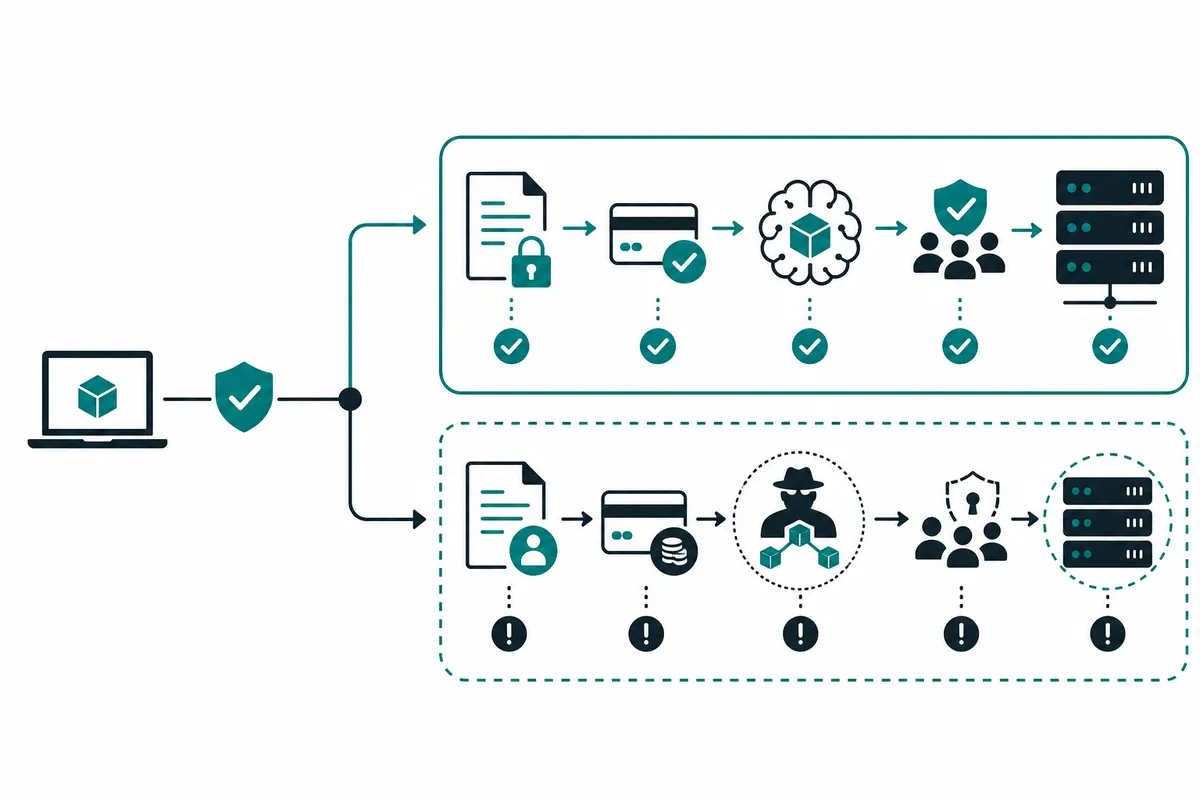
Compare official APIs and resellers by data handling, billing, model identity, and access controls before sending production requests.

Choose between official provider compatibility endpoints and one shared gateway endpoint for Claude and Gemini, with tested request patterns and clear credential boundaries.

Separate chatbot availability from developer API access in Hong Kong, and check current provider eligibility before relying on a free option.
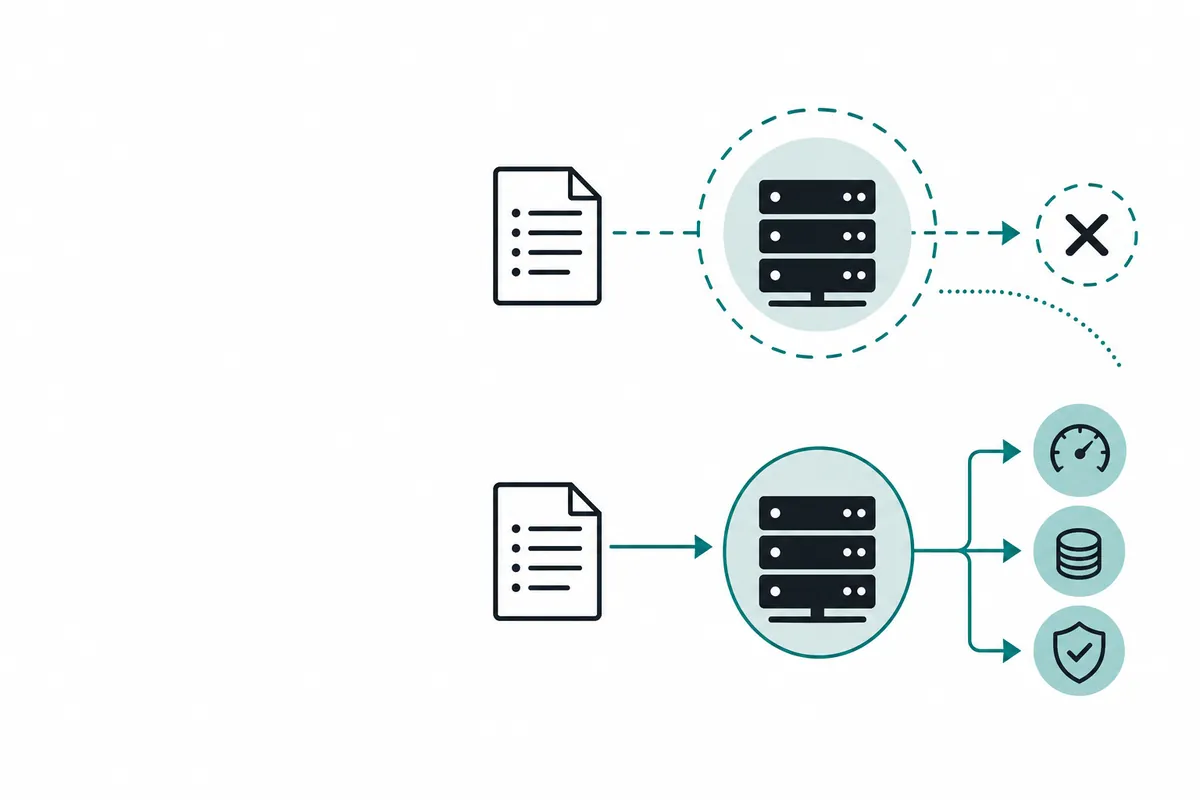
Gemini 3 Pro Preview is shut down on Google's API. Separate that retired identifier from Gemini 3.1 Pro and compare current token rates correctly.
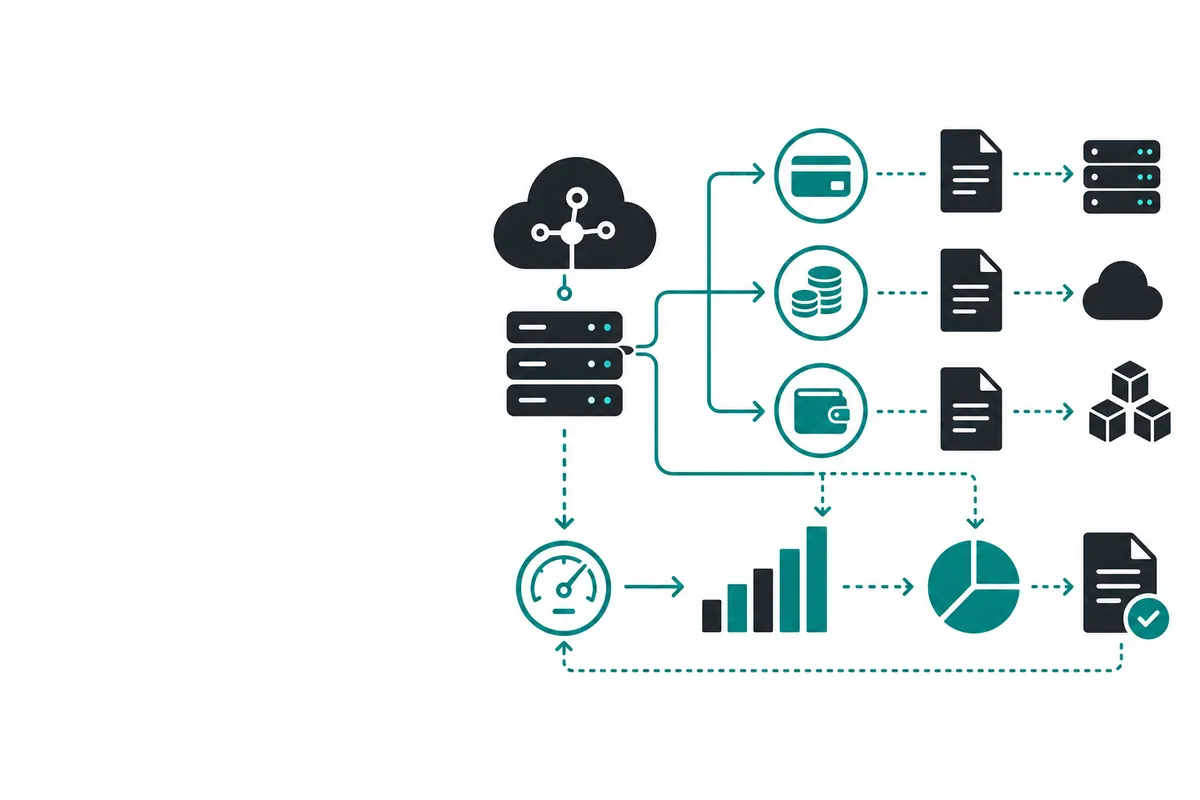
Choose a Claude API billing route, check account-specific credits, and budget development with measured token usage instead of chat-subscription assumptions.

Check regional eligibility, create the right developer key, and distinguish direct Claude access from a gateway account before writing code.

Fix Claude tool_use_id and tool_result errors with valid message pairs, a runnable native tool loop, and a local validator for missing, duplicate, and misordered results.

Diagnose Claude prompt-cache misses using real cache-write and cache-read token counts. Reproduce a controlled test and separate prefix issues from routing hypotheses.

Claude Haiku 5.5 is cheaper and supports a larger context than Haiku 4.5. Six real API calls show how both models handle arithmetic, JSON extraction, and Python generation.

Claude Haiku 5.5 is Anthropic's fastest current model for high-volume extraction, classification, and routing. This guide covers its verified specs, tiered price, and working API examples.

Read Claude pricing on Bedrock by model and token type, calculate a workload estimate, and avoid confusing standard rates with caching or provisioned capacity.

We ran the same three prompts through both image routes, inspected all six files, and compared latency, prompt compliance, billing, and integration behavior.
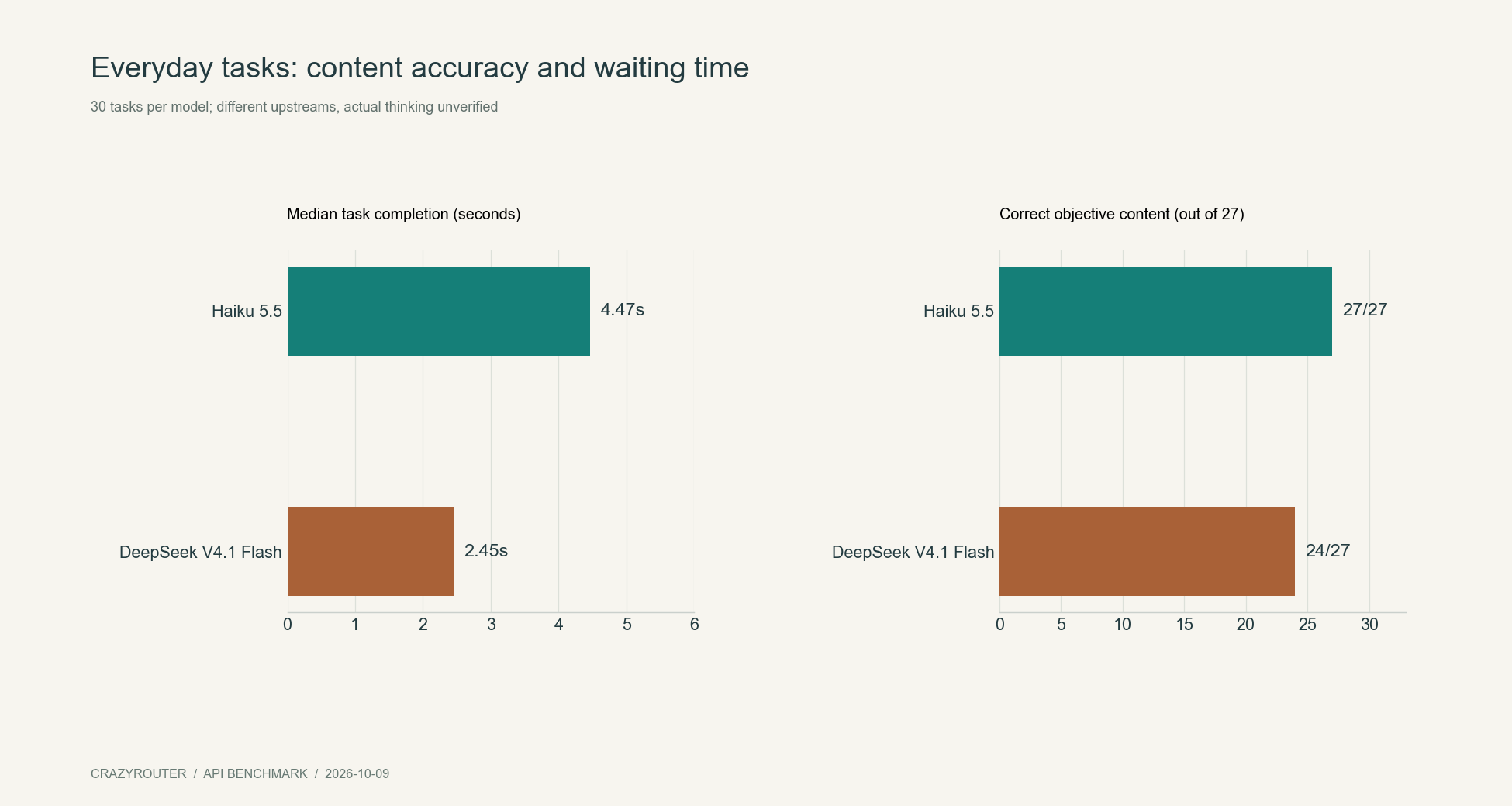
Ten Chinese tasks, three runs each: content scores of 27/27 vs 24/27 and median completion of 4.47s vs 2.45s. JSON, actual charges, errors, and the limits of route, cache, and thinking controls.
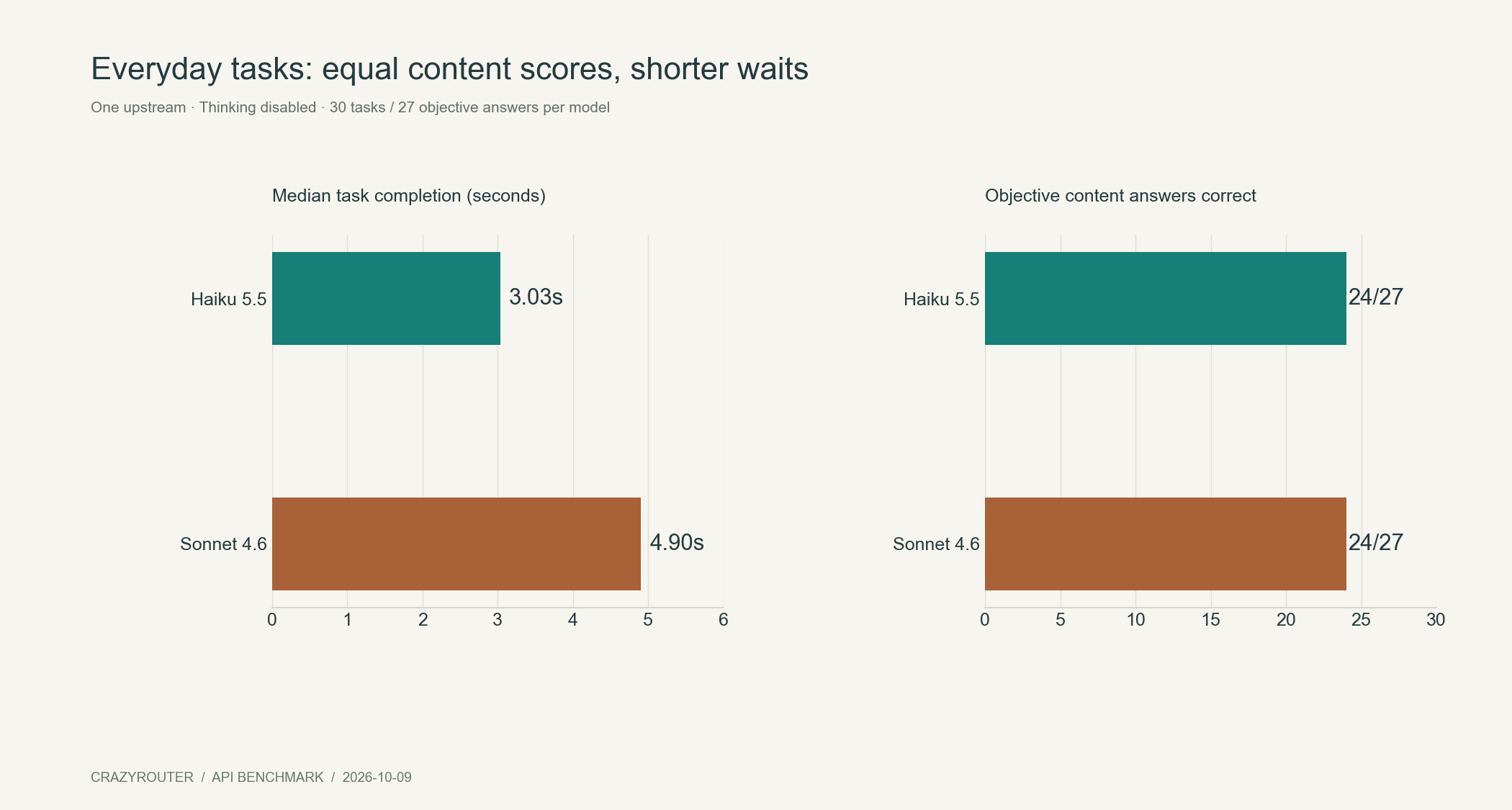
Ten tasks, three rounds each, on one upstream route. Both models scored 24/27 for objective content; median completion was 3.03s vs 4.90s. We examine JSON failures, a thinking retest, and rewriting mistakes.
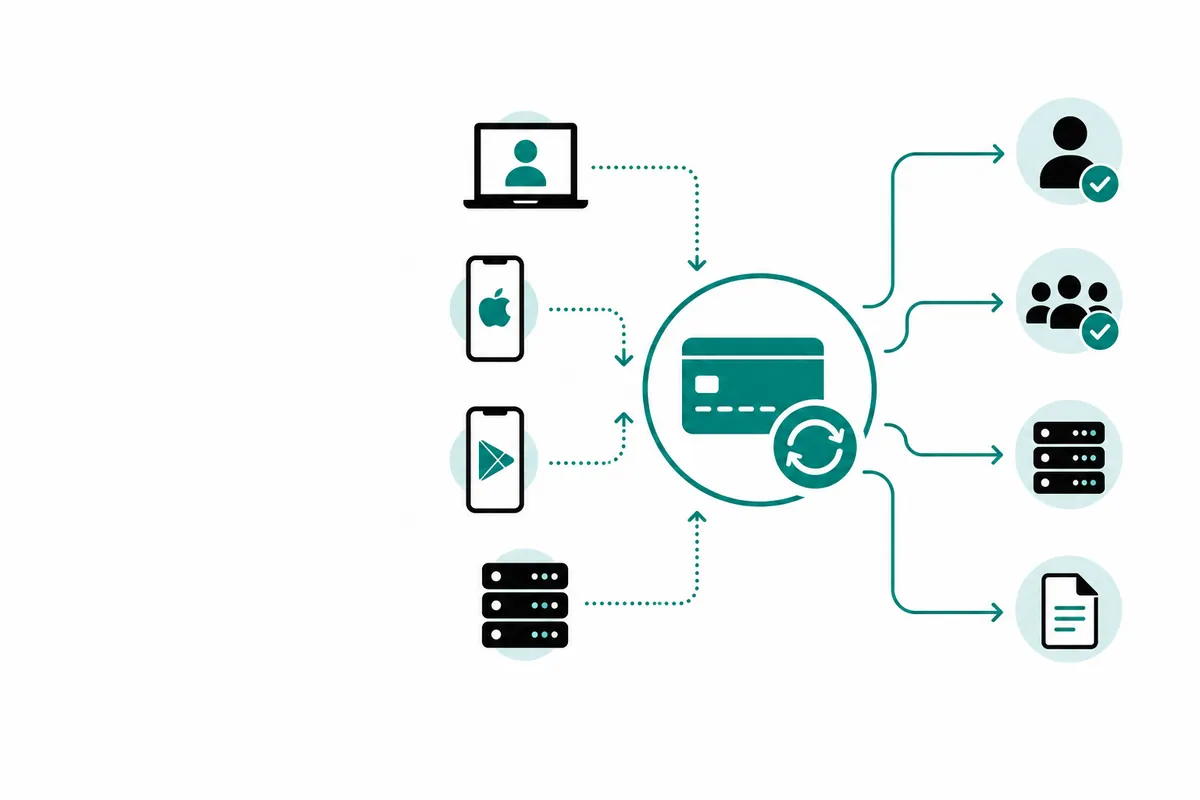
Change the card used for Claude Pro, Max, Team, or API billing, with the right steps for web, Apple, Google Play, and Anthropic Console accounts.
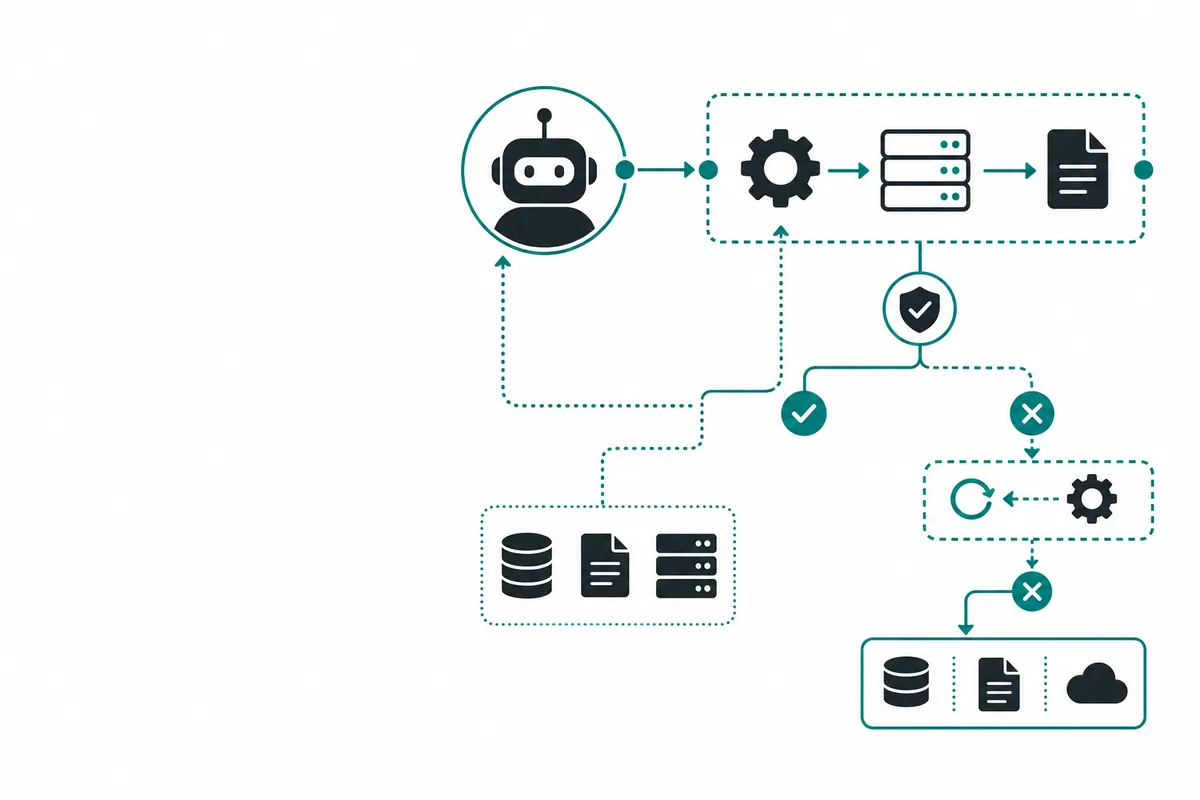
A developer-focused Kimi K2 Thinking postmortem about action verification, tool-call boundaries, retries, and practical Python, Node.js, and cURL integration patterns.
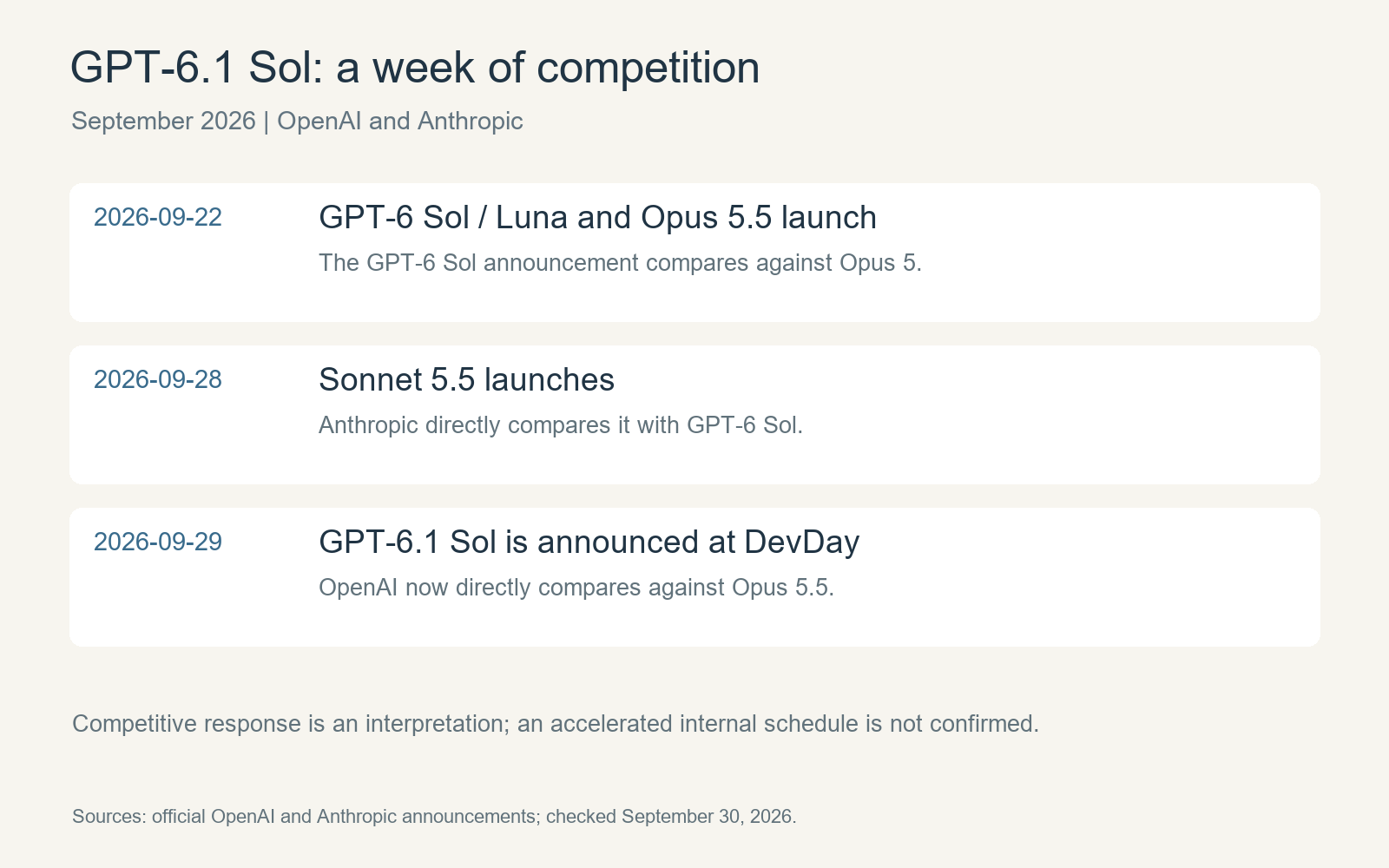
GPT-6.1 Sol arrived just a week after GPT-6 Sol. I examine the competitive pressure from Claude 5.5, OpenAI’s reported gains, and what my API tests reveal about accuracy, timeouts, and readiness for everyday work.

Anthropic has no free tier for the Claude API — the free plan is the claude.ai chat app. Here is what access actually exists in 2026: occasional Console trial credits, cloud provider credits, and prepaid gateways like Crazyrouter at 35% below list, with the limits of each.

Claude API pricing for every current model in one table: Anthropic list price, cached-input price and the Crazyrouter price per 1M tokens, plus monthly cost examples, how billing works, and how to get started.

The open-source versus commercial AI model decision is really a deployment decision. Open-weight models offer control over hosting, tuning, and data boundaries. Commercial models often provi

A benchmark that tests only accuracy will miss latency, cost, refusal behavior, schema validity, and regression risk. Build a versioned evaluation set from real but sanitized tasks. Score ex

GLM 4.6 is a general-purpose model option for developers evaluating Chinese and multilingual applications, reasoning workflows, code assistance, and tool use. A useful GLM 4.6 API integratio
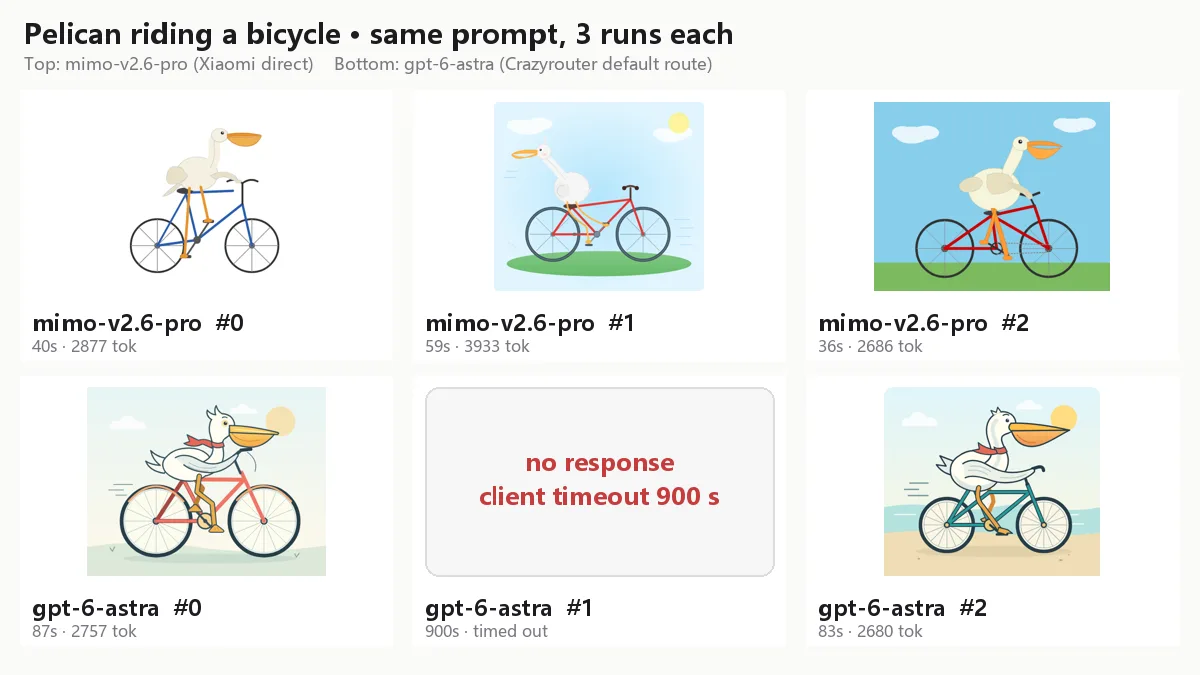
English-prompt battery of 8 playful probes (pelican-on-a-bicycle SVG, candy-box false belief, acrostic, self-counting sentence, four classic traps) on Xiaomi's mimo-v2.6-pro and gpt-6-astra, 3 runs each. In English the two are tied on every graded probe and mimo drew 3/3 pelicans. The same battery in Russian, Portuguese and Japanese broke mimo's pelican (0/3, 0/3, 1/3). Plus a routing disclosure: the gpt-6-astra path injects ~4,100 tokens per call.
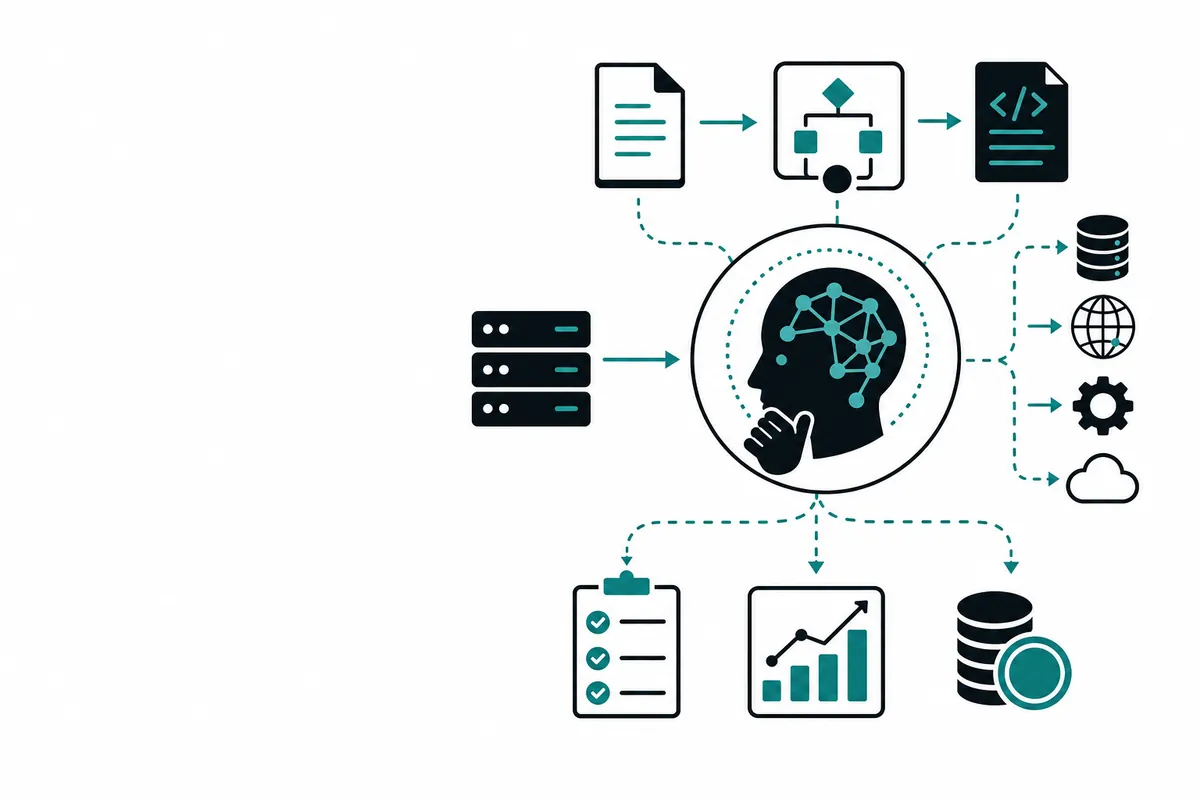
"Learn how to evaluate Kimi K2 Thinking for reasoning, coding, tool use, and long-context tasks, with OpenAI-compatible examples and production cost guidance."

"Learn how to integrate Google Veo3-style video generation with cURL and Python, design asynchronous polling, validate outputs, and compare direct versus gateway access."
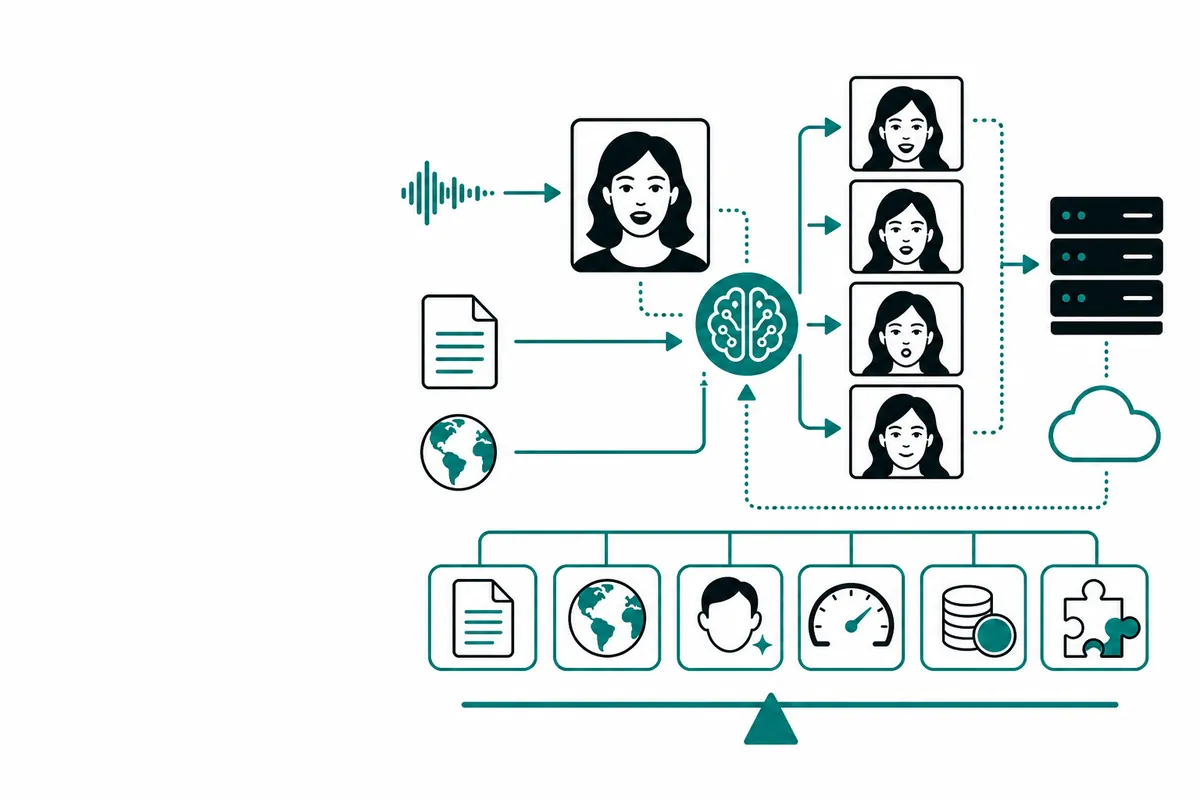
"Compare AI lip sync tools for creators and developers by input requirements, language support, realism, latency, pricing model, and API integration."

"Learn how to get a Claude API key, configure authentication, send your first request, handle billing, and use a compatible gateway without exposing secrets."

"Compare AI API pricing in 2026 by token economics, context, caching, batch work, and production workflow. Includes code examples and a practical gateway cost model."

"A practical Gemini Advanced review for developers: compare the subscription experience with Gemini API access, long-context workflows, coding, multimodal tasks, and cost control."

"A developer-focused Claude Code pricing guide covering subscriptions, API billing, model selection, usage controls, and a practical lower-friction workflow for teams."

Learn how prompt caching, semantic caching, context pruning, and retrieval reduce AI API latency and spend without sacrificing answer quality.

A benchmark that tests only accuracy will miss latency, cost, refusal behavior, schema validity, and regression risk. Build a versioned evaluation set from
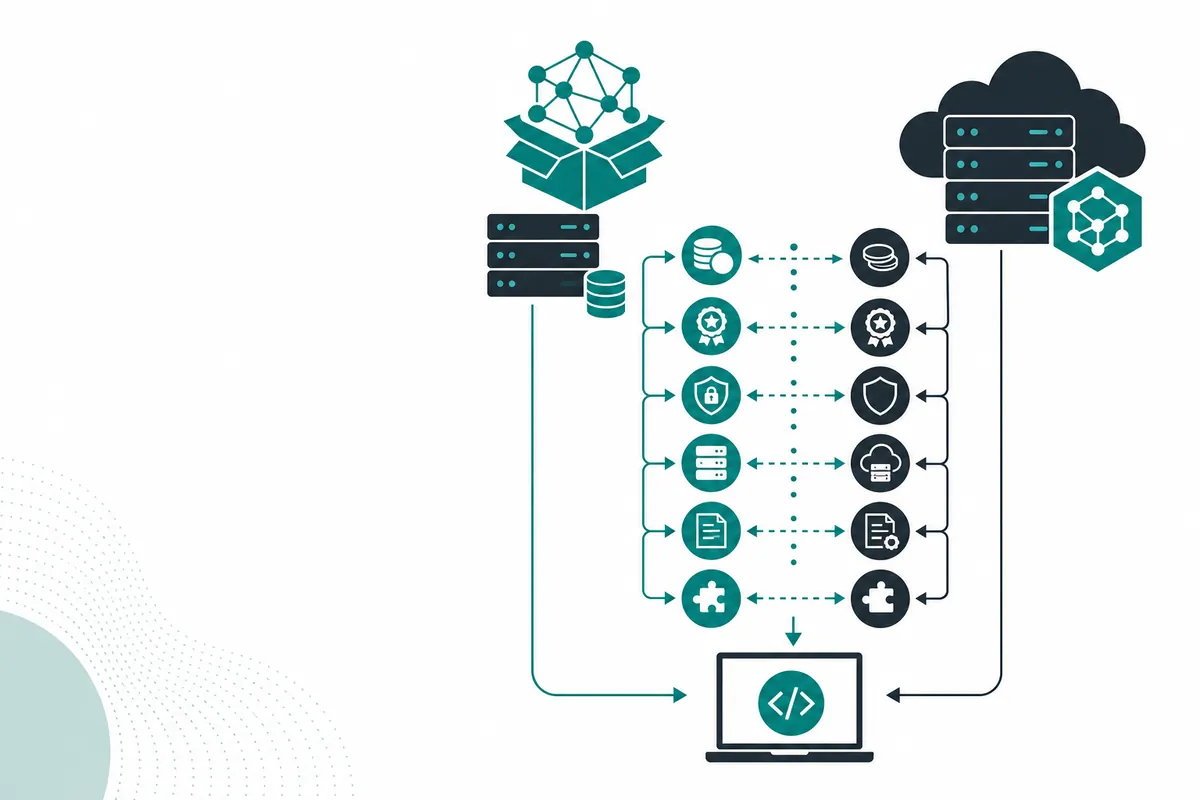
Compare open-weight and commercial AI models across cost, quality, privacy, operations, licensing, and API integration.

Compare routing, fallback, cascade, ensemble, and specialist patterns for coordinating multiple AI models in production.

Learn how to design portable function calling across OpenAI-compatible, Anthropic, Gemini, and open-model APIs with schemas, validation, retries, and routing.

Same Claude, GPT and Gemini models, but 35–45% below list price with zero top-up fees; no tiered rate limits, custom RPM on request; and a real human who follows up on every error. A side-by-side look with concrete prices.

Build reliable Kimi K2 Thinking applications with explicit reasoning budgets, tool-call validation, evaluation sets, and cost controls.

Compare AI lip sync tools for developers using phoneme drift, frame alignment, multilingual dubbing, API control, and production QA.

A secure setup guide for obtaining and using a Claude API key across local development, devcontainers, and CI without committing secrets.

Compare AI API pricing by successful task, latency, caching, retries, and routing policy instead of token price alone.
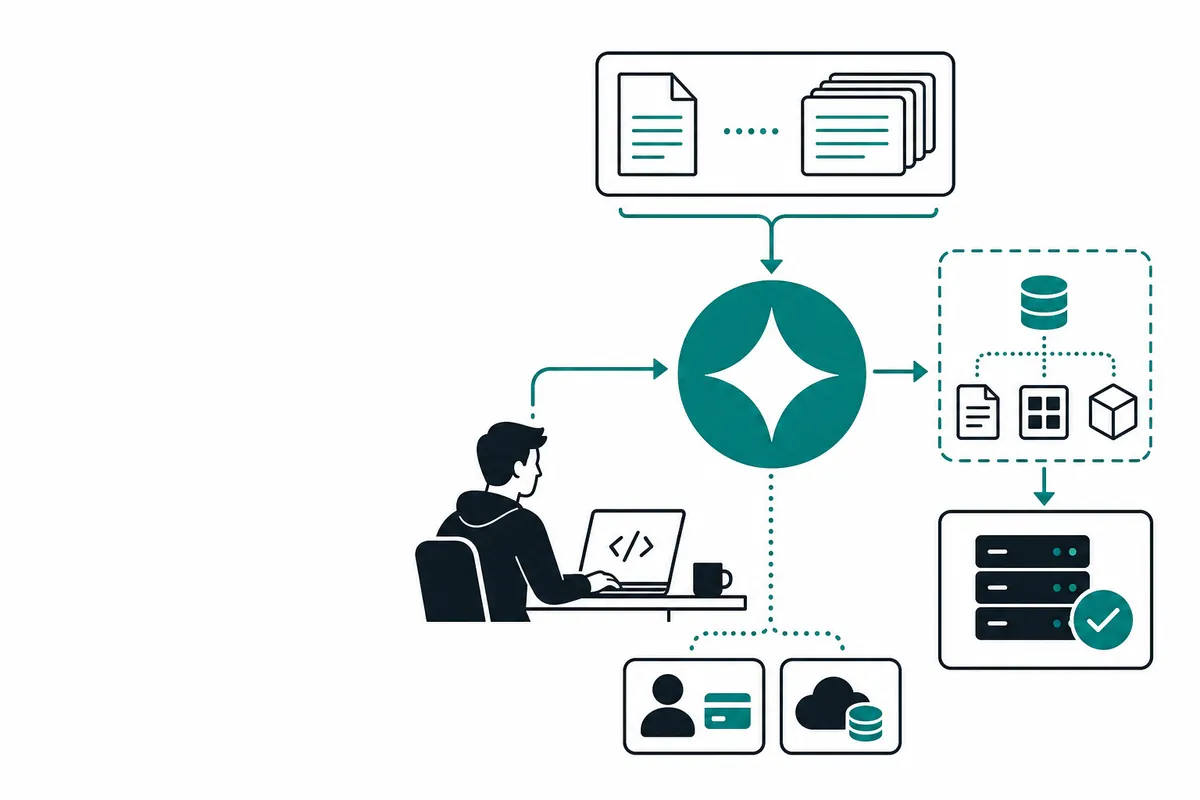
A developer-focused Gemini Advanced review covering long-context analysis, RAG prototyping, subscription versus API economics, and production handoff.

A practical developer guide to estimating Claude Code costs by repository, workflow, seat, and CI job, with budget controls and API routing patterns.

29 graded items, real API calls. claude-fable-5-1 scored 29/29, gpt-6-astra 16/29. astra emits 0.38-0.77x the output characters, but much of that gap is incompleteness rather than concision — on a three-way tie it named one answer in 5 of 6 runs, and 2 of those named a rule that is factually wrong. On a planted false premise it went along with the premise 5 times out of 6. Includes the three preconditions for valid cross-family comparison.

Compare open source and commercial AI models across cost, privacy, quality, latency, operations, licensing, and API integration.
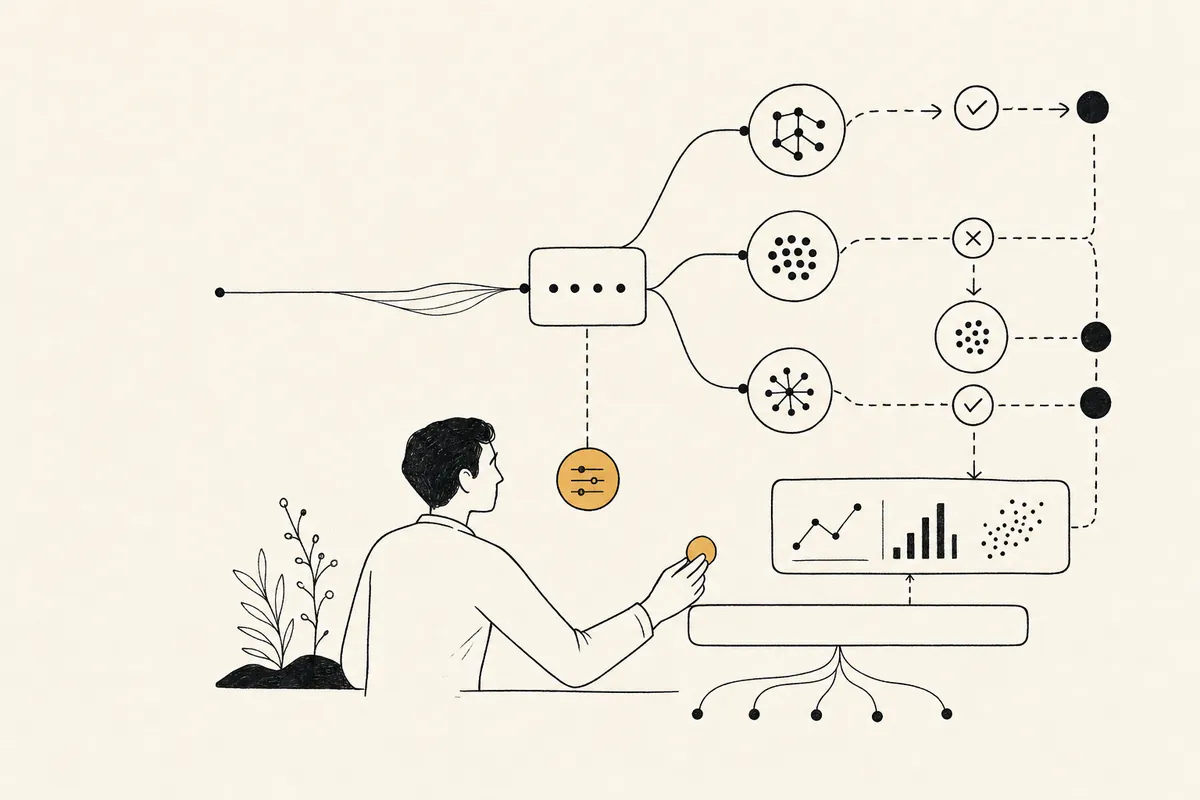
Build reliable multi-model AI systems with task routing, fallbacks, cost controls, evaluation, and a unified API layer.
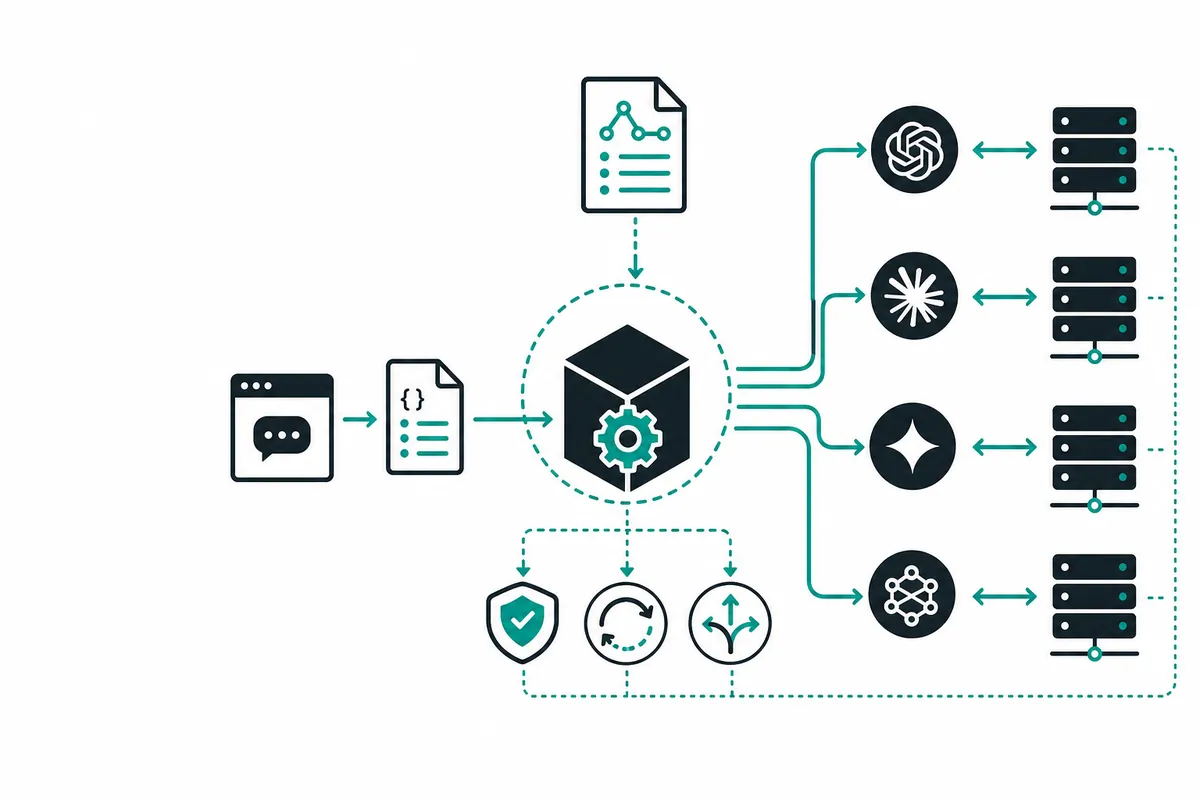
Design portable function calling across OpenAI-compatible, Claude, Gemini, and open-model APIs with schemas, validation, retries, and fallbacks.

Install and evaluate Gemini CLI, compare it with Claude Code and Codex CLI, and connect reliable Gemini API workflows to your developer tools.
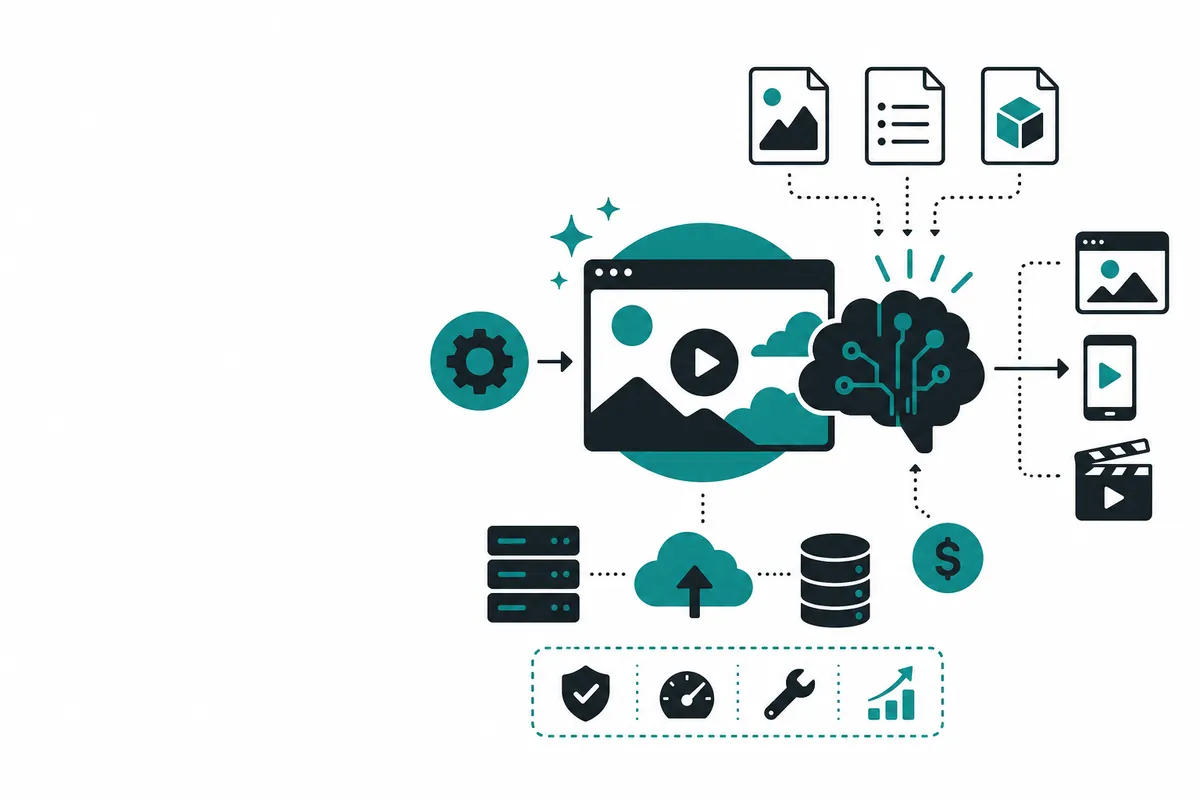
A developer-focused Pika 2.2 review covering video generation use cases, alternatives, API integration patterns, pricing questions, and production tips.

Learn what Qwen2.5-Omni is, how it compares with GPT-4o and Gemini, how to call a multimodal model, and how to control API cost in production.

We pinned claude-fable-5-1 and claude-fable-5 to the same upstream route and ran three workload shapes three times each, recording correctness, output tokens, thinking budget and latency. Correctness tied 3:3 in every group; 5.1 reached the same answers on 0.372/0.744/0.891x the output tokens; and all seven documented breaking changes returned 200 instead of 400.

Use Kimi K2 Thinking for auditable reasoning tasks with bounded tool calls, evaluation sets, and cost-aware routing.
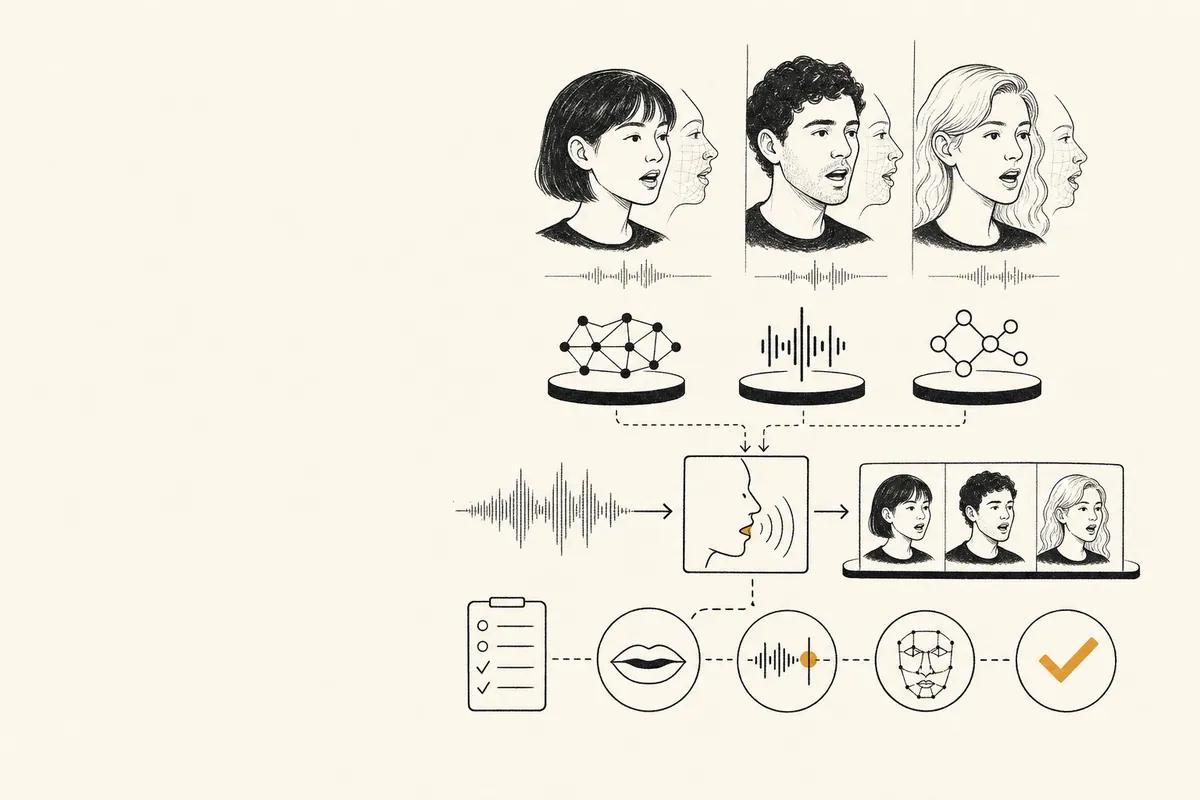
Compare AI lip sync tools for developers building dubbing, avatar, and localization pipelines with measurable QA gates.
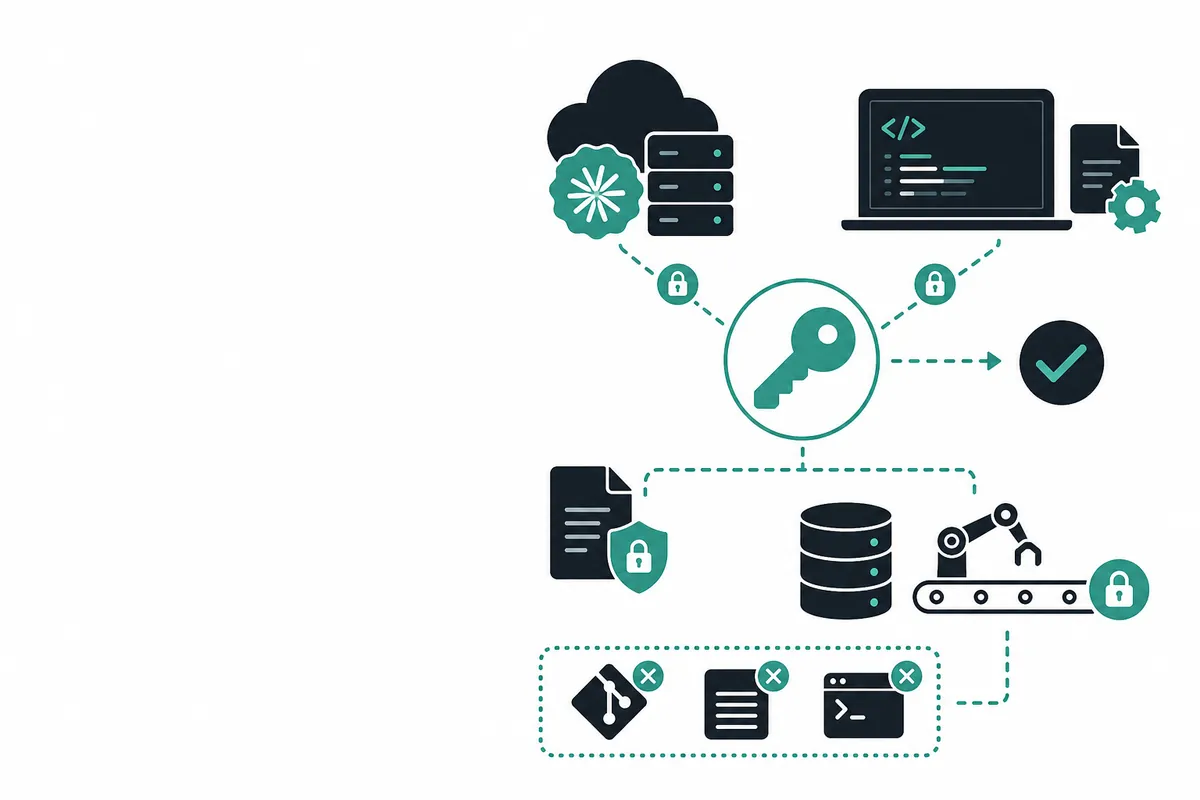
Learn how to get a Claude API key, configure it safely, test the first request, and avoid leaking credentials in Git or CI logs.

Compare AI API pricing by tokens, cached context, retries, latency, and routing instead of relying on headline input rates.

A developer-focused Gemini Advanced review covering research, coding, context, subscription value, API economics, and practical alternatives.

A practical Claude Code pricing guide for solo developers and teams, covering subscriptions, API usage, CI budgets, and routing controls.
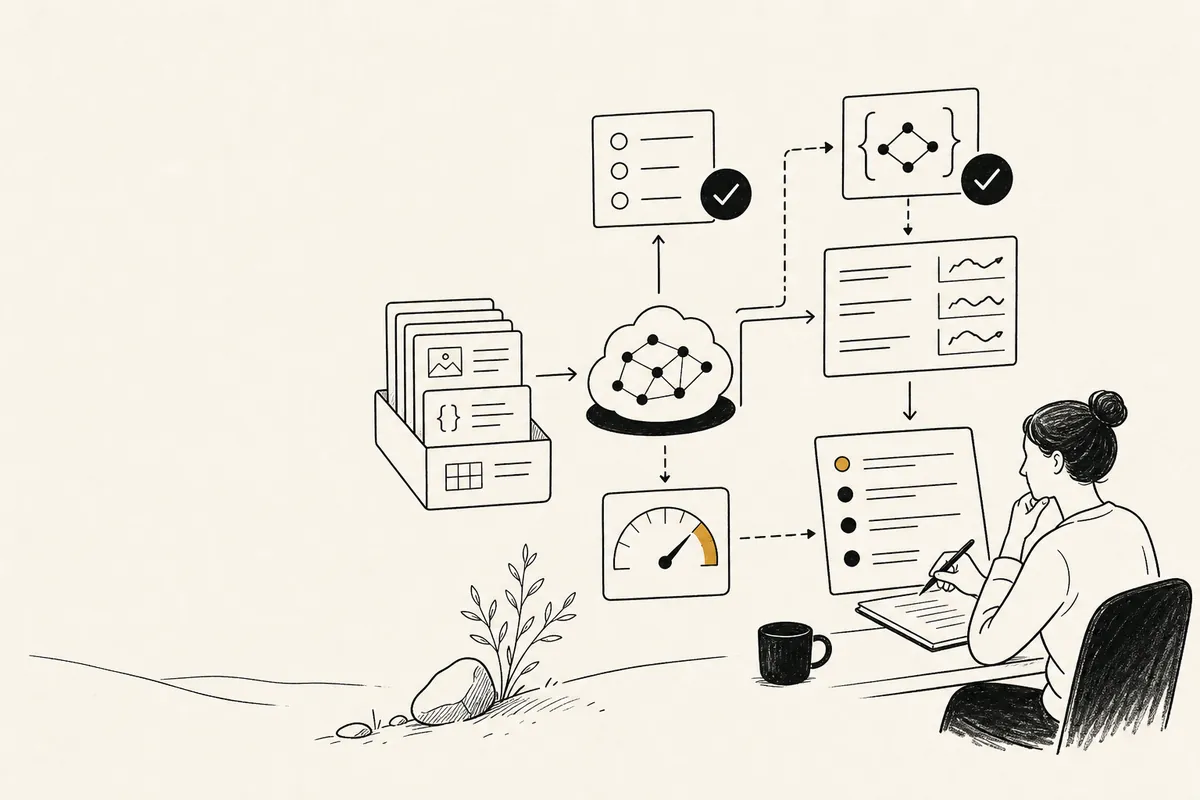
Build a practical test and evaluation system for AI APIs with fixtures, schema checks, regression sets, latency budgets, and human review.

Compare open source and commercial AI models by cost, quality, deployment, privacy, latency, and maintenance burden.
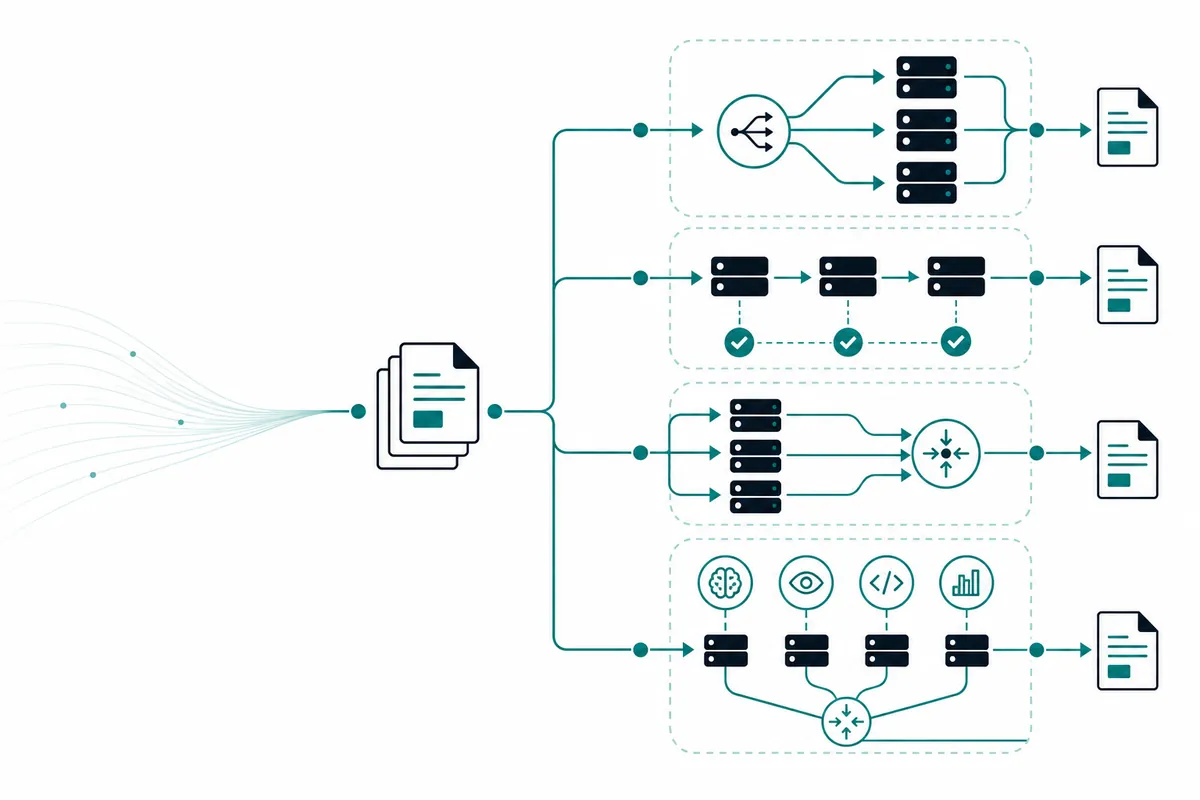
Compare routing, cascade, ensemble, and specialist orchestration patterns for building reliable multi-model AI applications.

Build portable tool calling across OpenAI-compatible, Anthropic, and Gemini-style APIs with schemas, adapters, validation, and retries.
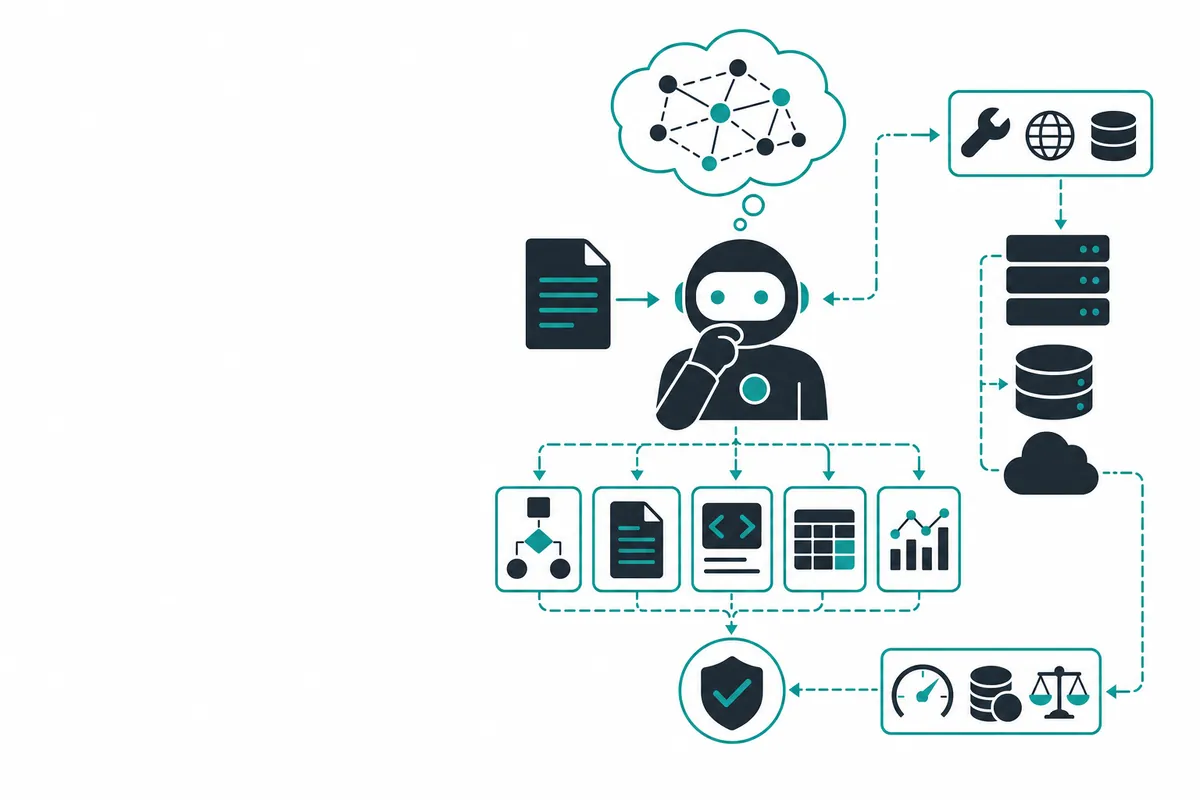
"A developer-focused Kimi K2 Thinking guide covering reasoning prompts, tool calling, evaluation, latency, and cost-aware routing."
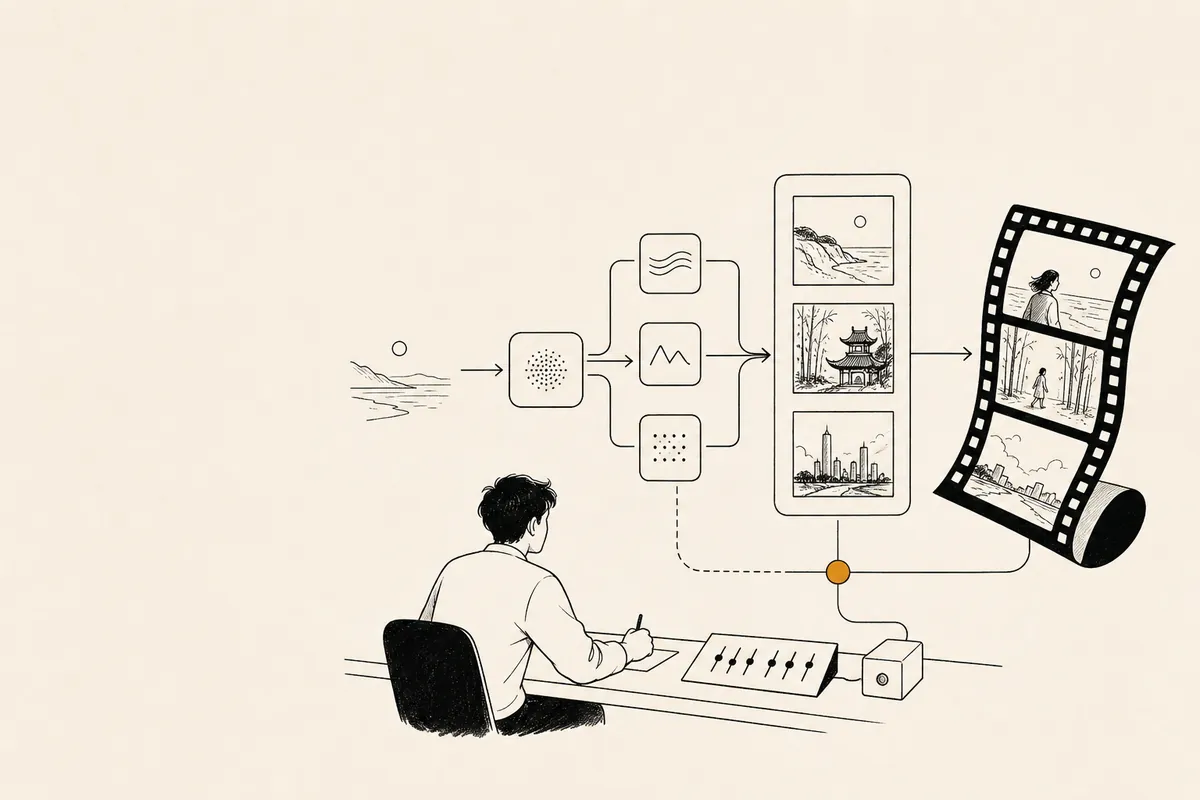
"Understand Seedance and ByteDance video AI, compare it with Veo3 and Kling, and design an API pipeline for controlled production."

"Compare AI lip sync tools for developers by API design, timing quality, multilingual support, and automated production QA."
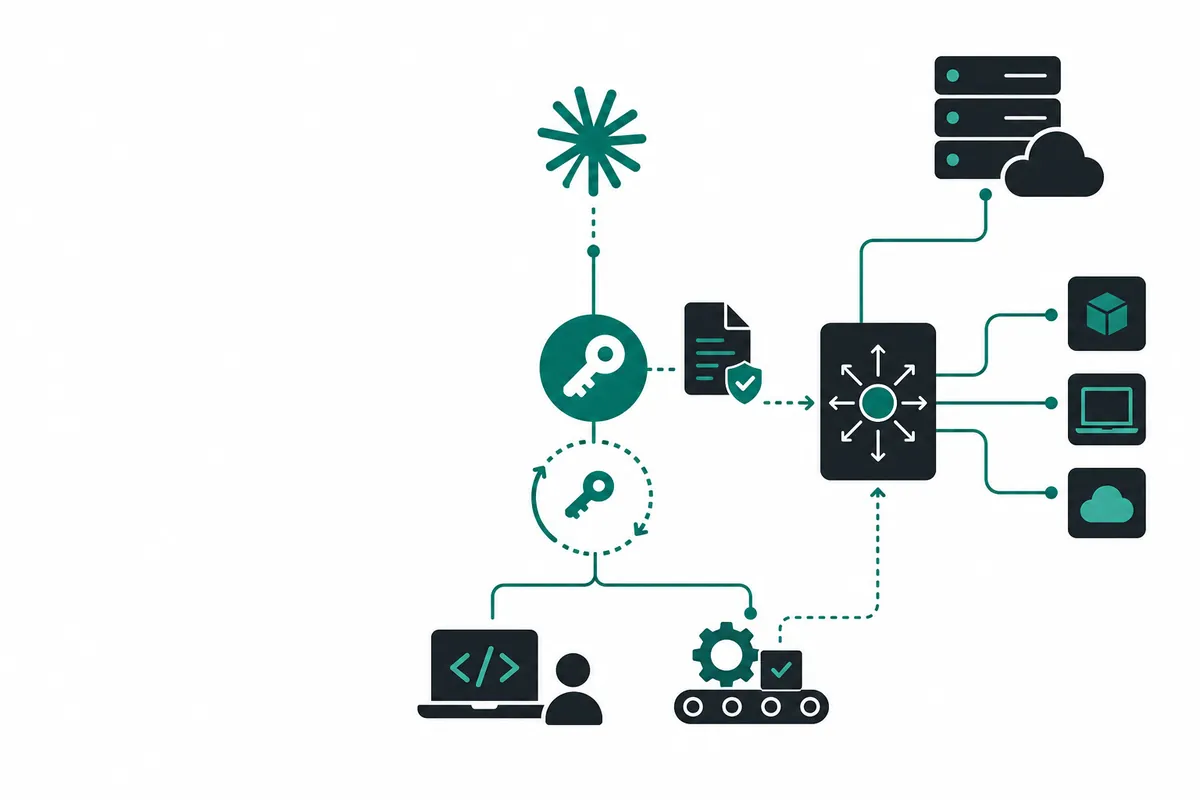
"Learn how to get a Claude API key, configure it safely, rotate credentials, and use an OpenAI-compatible router for team deployments."

"Compare AI API pricing in 2026 using effective cost per task, including cache hits, retries, fallback models, and Crazyrouter routing."

"Review Gemini Advanced for coding, research, and API workflows in 2026. Compare subscription value with usage-based API access and multi-model routing."