 简体中文
 繁體中文
 English
 Français
 Русский
 日本語
 Tiếng Việt
 한국어
 Deutsch
 Español
 Italiano
 Português
 العربية
 ไทย
 Bahasa Indonesia
 Bahasa Melayu
 Türkçe
 Polski
 Nederlands
 Dansk
 Norsk
 Қазақша
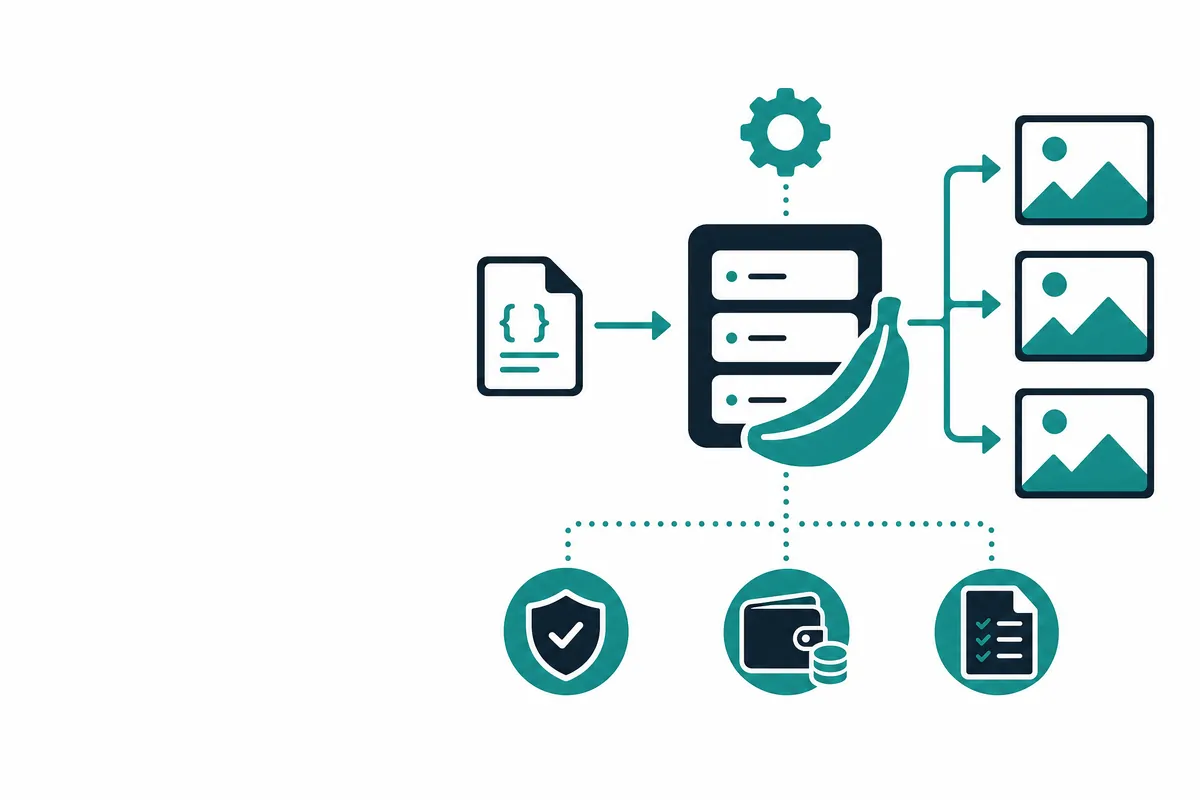
Nano Banana 2 API Pricing and How to Call It
Understand Nano Banana 2 image billing, send a minimal API request, and handle returned images without confusing gateway aliases or subscription plans.
October 16, 202686 viewsEnglishTutorial
Tutorials and updates for image generation models and APIs, including prompt workflows, editing, and production usage.
Understand Nano Banana 2 image billing, send a minimal API request, and handle returned images without confusing gateway aliases or subscription plans.

Diagnose Claude prompt-cache misses using real cache-write and cache-read token counts. Reproduce a controlled test and separate prefix issues from routing hypotheses.
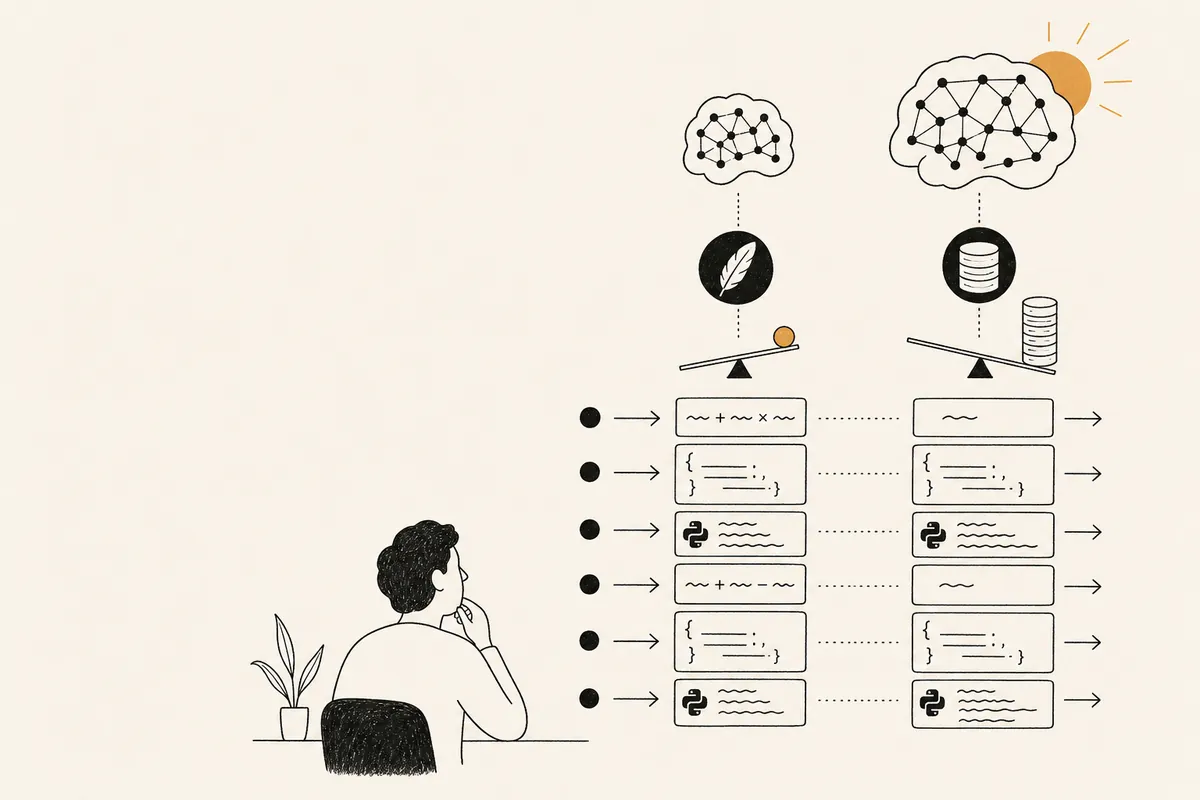
Claude Haiku 5.5 is cheaper and supports a larger context than Haiku 4.5. Six real API calls show how both models handle arithmetic, JSON extraction, and Python generation.

We ran the same three prompts through both image routes, inspected all six files, and compared latency, prompt compliance, billing, and integration behavior.
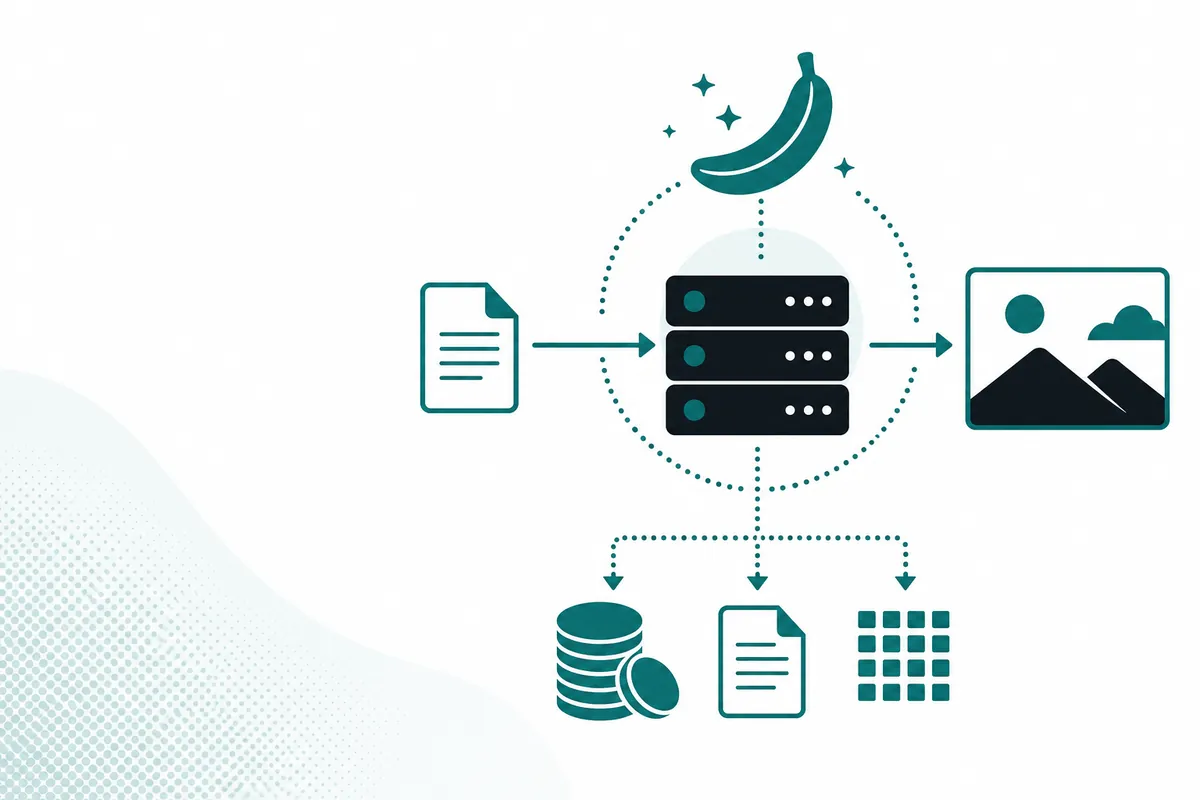
Understand the Nano Banana 2.1 image route, its published billing unit, and the exact request that returned an image in our October test.
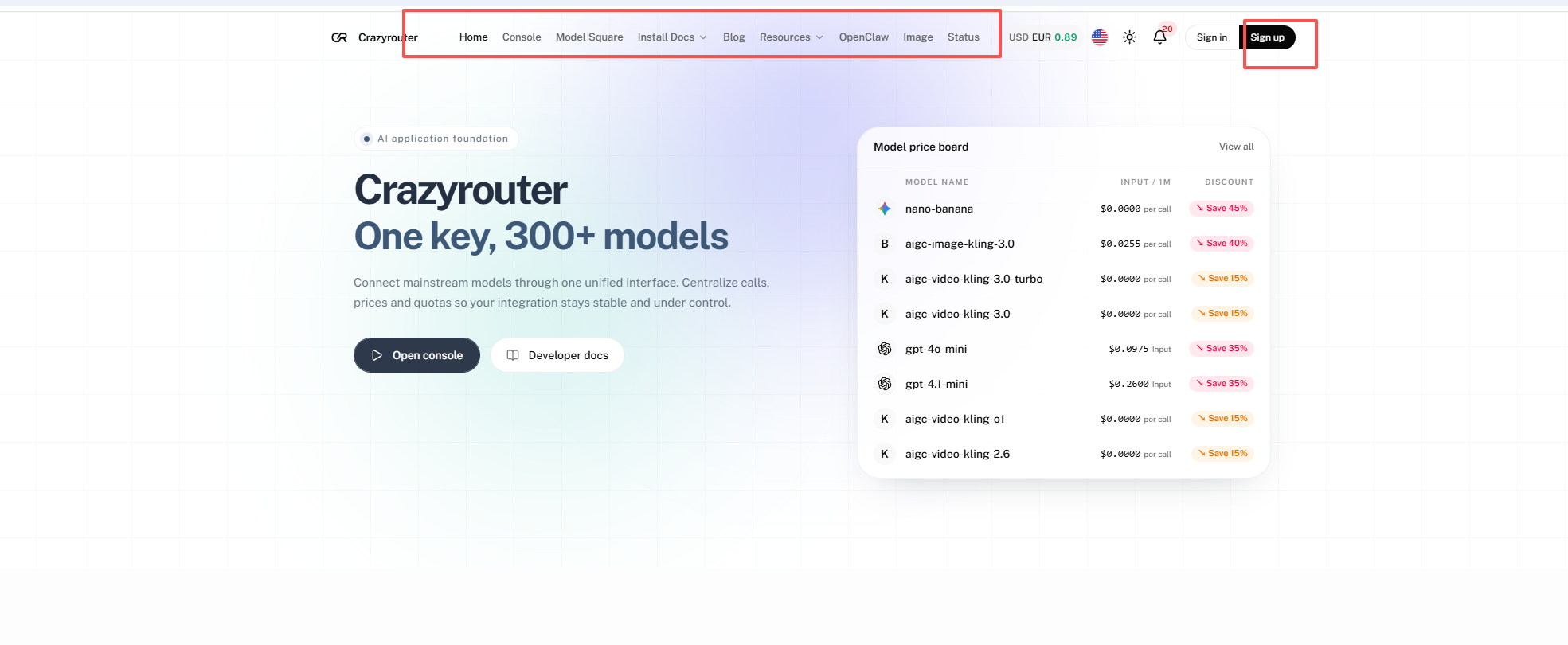
Learn Crazyrouter registration, API keys, wallet checks, browser chat, image generation, and coding-tool setup with eight interface screenshots and practical troubleshooting advice.
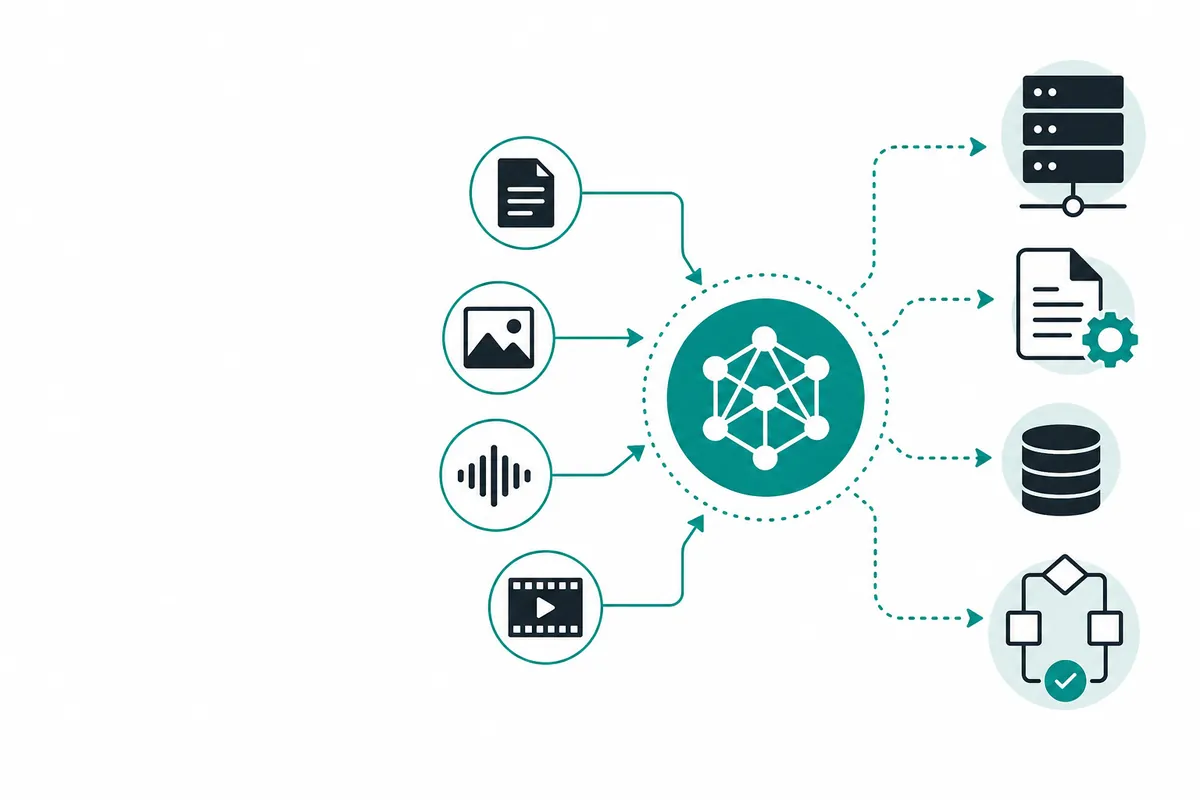
Qwen2.5-Omni is a multimodal model family designed for workflows that combine text, images, audio, and video understanding. For developers, the important question is not whether a model can
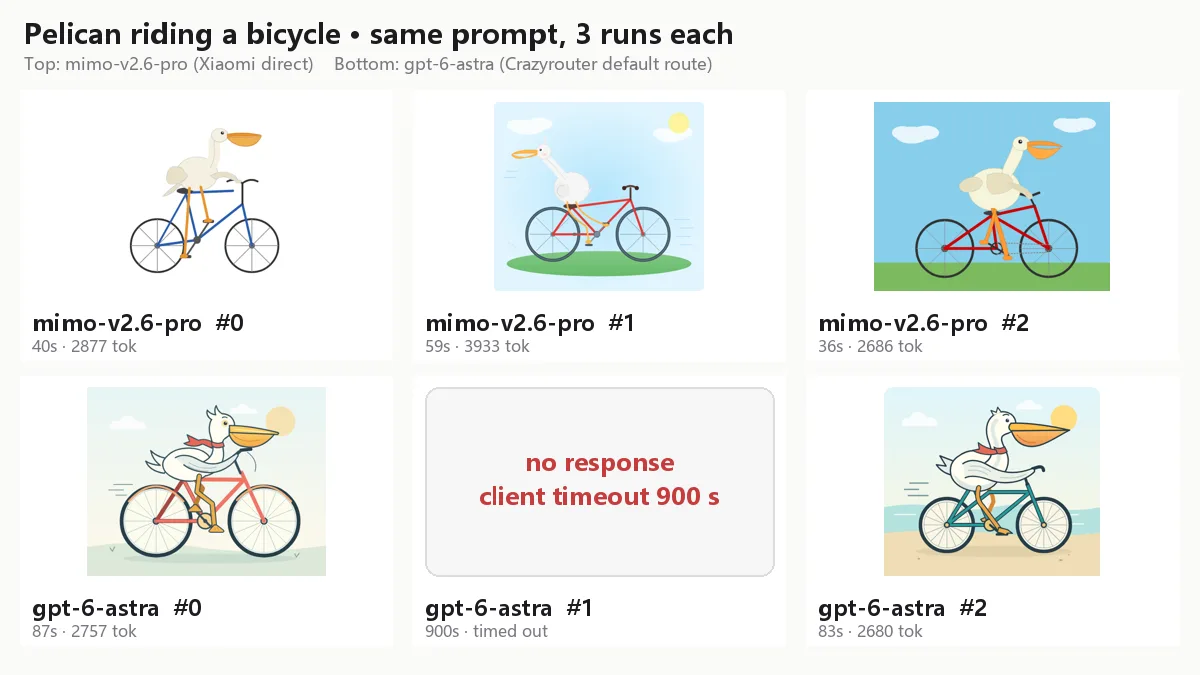
English-prompt battery of 8 playful probes (pelican-on-a-bicycle SVG, candy-box false belief, acrostic, self-counting sentence, four classic traps) on Xiaomi's mimo-v2.6-pro and gpt-6-astra, 3 runs each. In English the two are tied on every graded probe and mimo drew 3/3 pelicans. The same battery in Russian, Portuguese and Japanese broke mimo's pelican (0/3, 0/3, 1/3). Plus a routing disclosure: the gpt-6-astra path injects ~4,100 tokens per call.
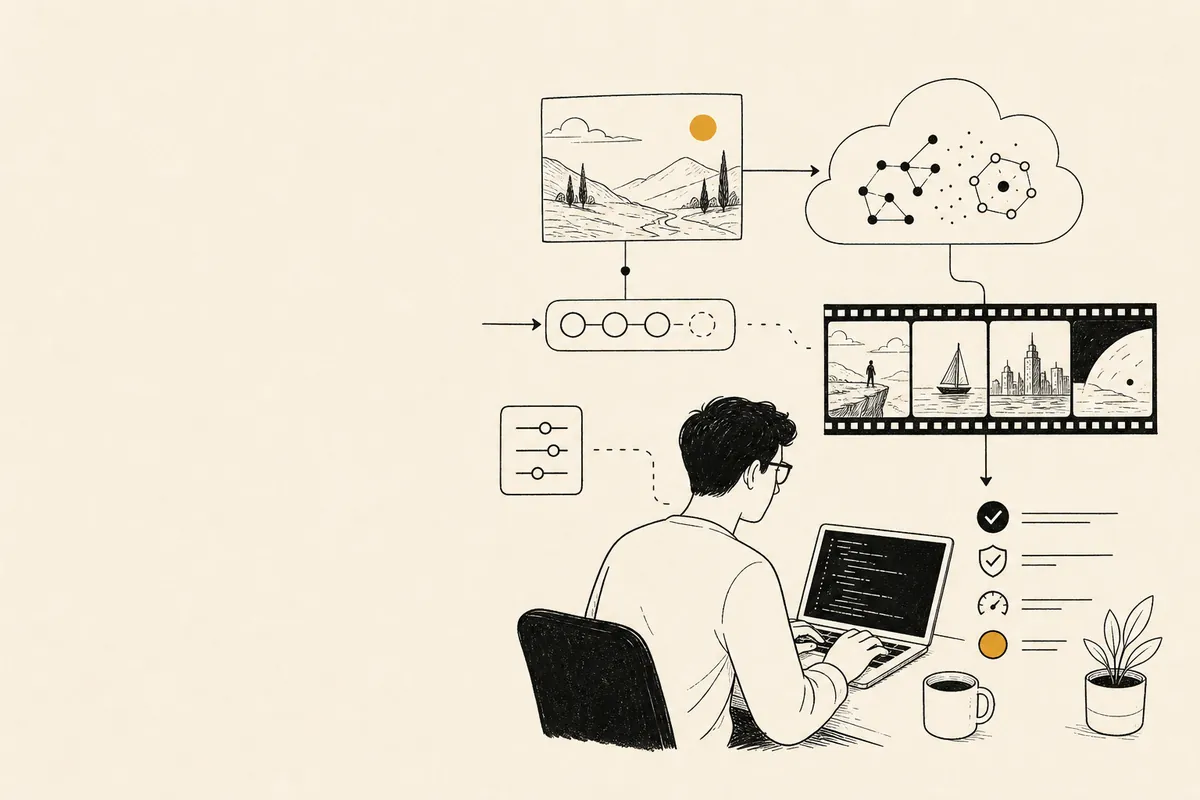
"A developer guide to Seedance and ByteDance video AI covering use cases, prompting, asynchronous API integration, alternatives, pricing models, and production checks."

"Learn how to integrate Google Veo3-style video generation with cURL and Python, design asynchronous polling, validate outputs, and compare direct versus gateway access."

Learn how prompt caching, semantic caching, context pruning, and retrieval reduce AI API latency and spend without sacrificing answer quality.

Record request IDs, usage, latency and validated outcomes without logging prompts. A tested Python embedding example explains retries and cost reconciliation.
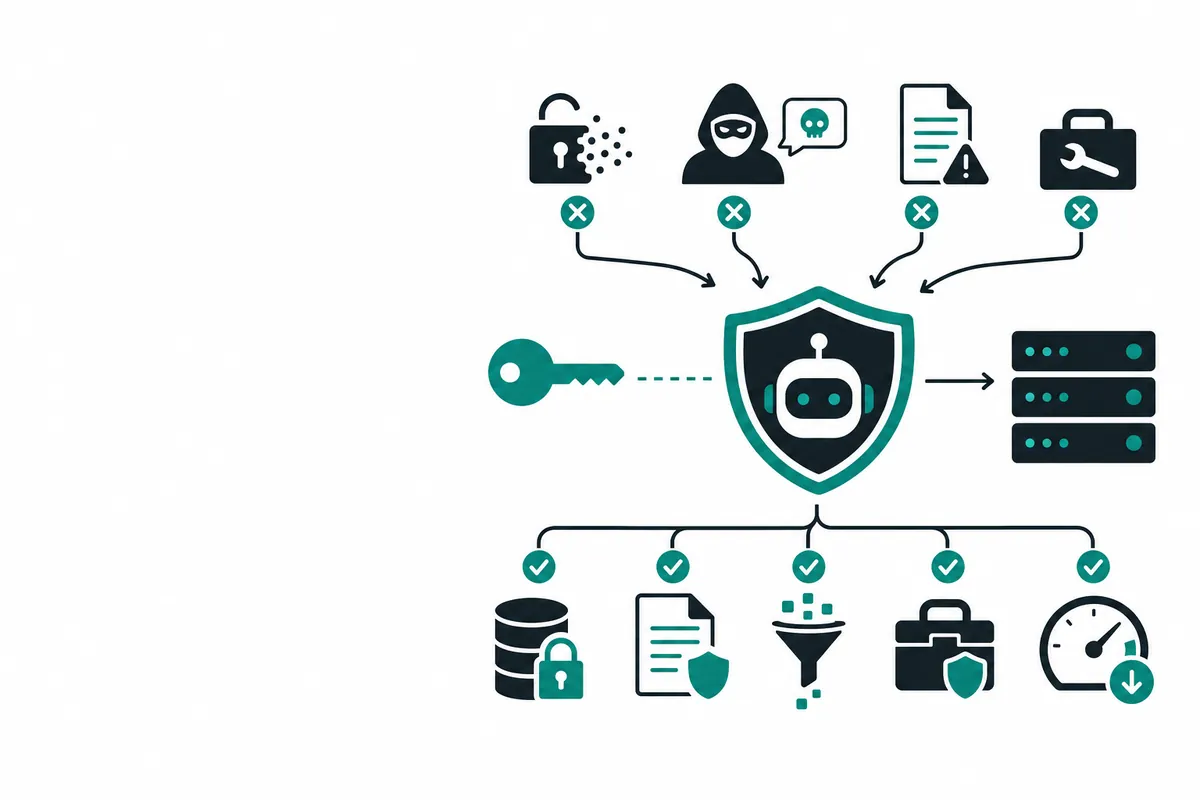
A developer checklist for securing AI APIs against leaked keys, prompt injection, sensitive-data exposure, unsafe tools, and runaway spend.
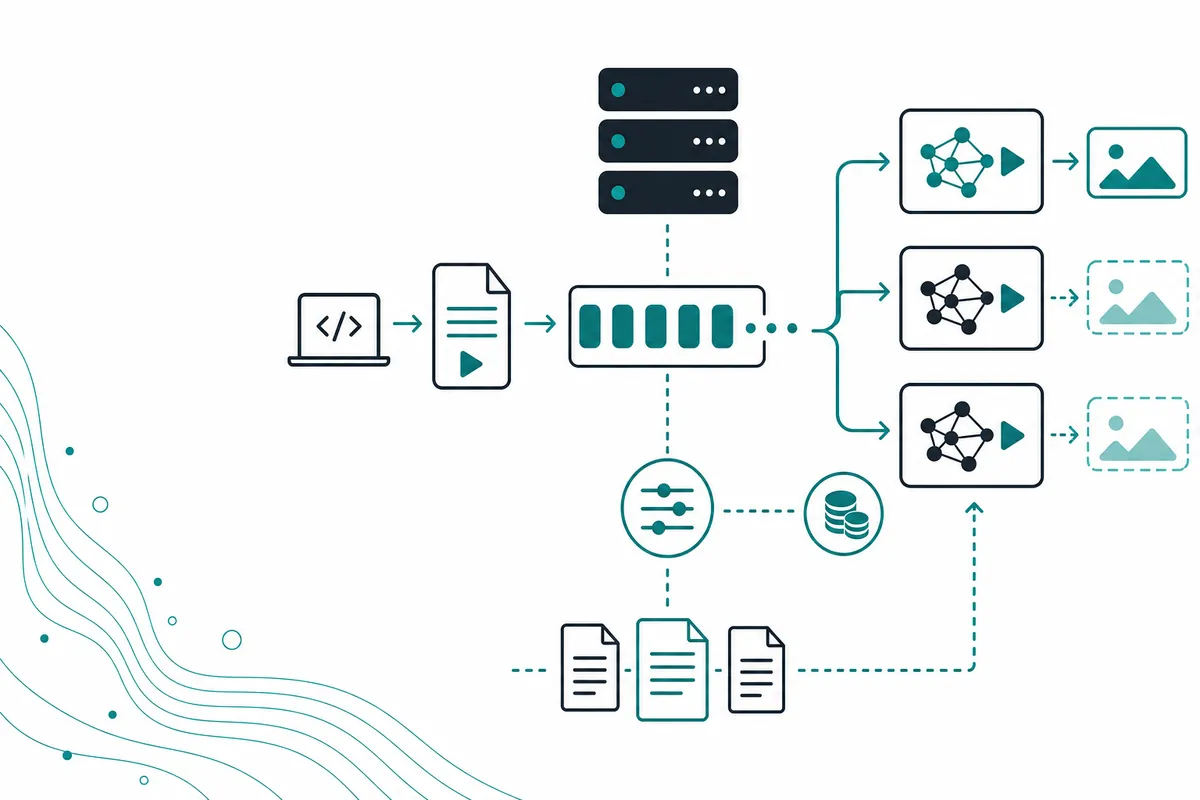
A developer guide to Seedance video AI integration with asynchronous queues, cost controls, prompt versioning, and model fallbacks.
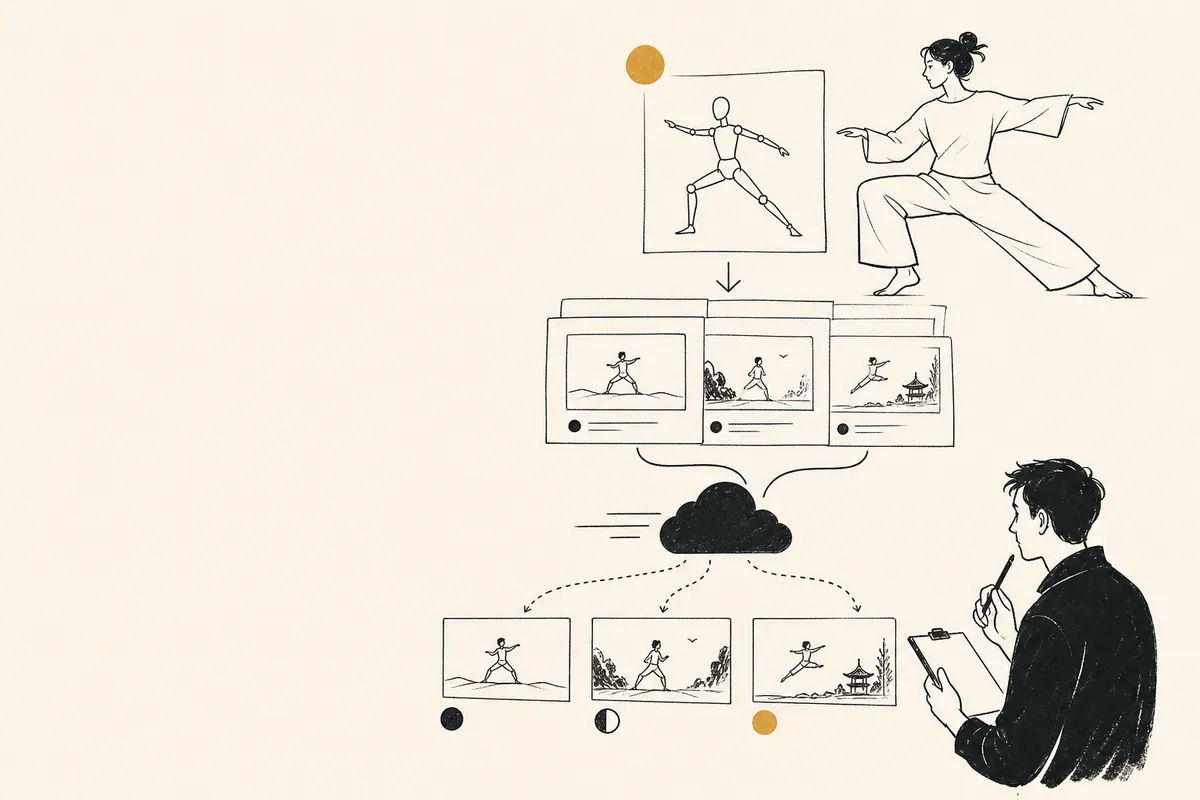
Learn a production-friendly WAN 2.2 Animate workflow for reference poses, shot manifests, asynchronous jobs, and visual QA.

Protect AI API keys, tenant data, prompts, logs, and budgets with practical controls for production applications.
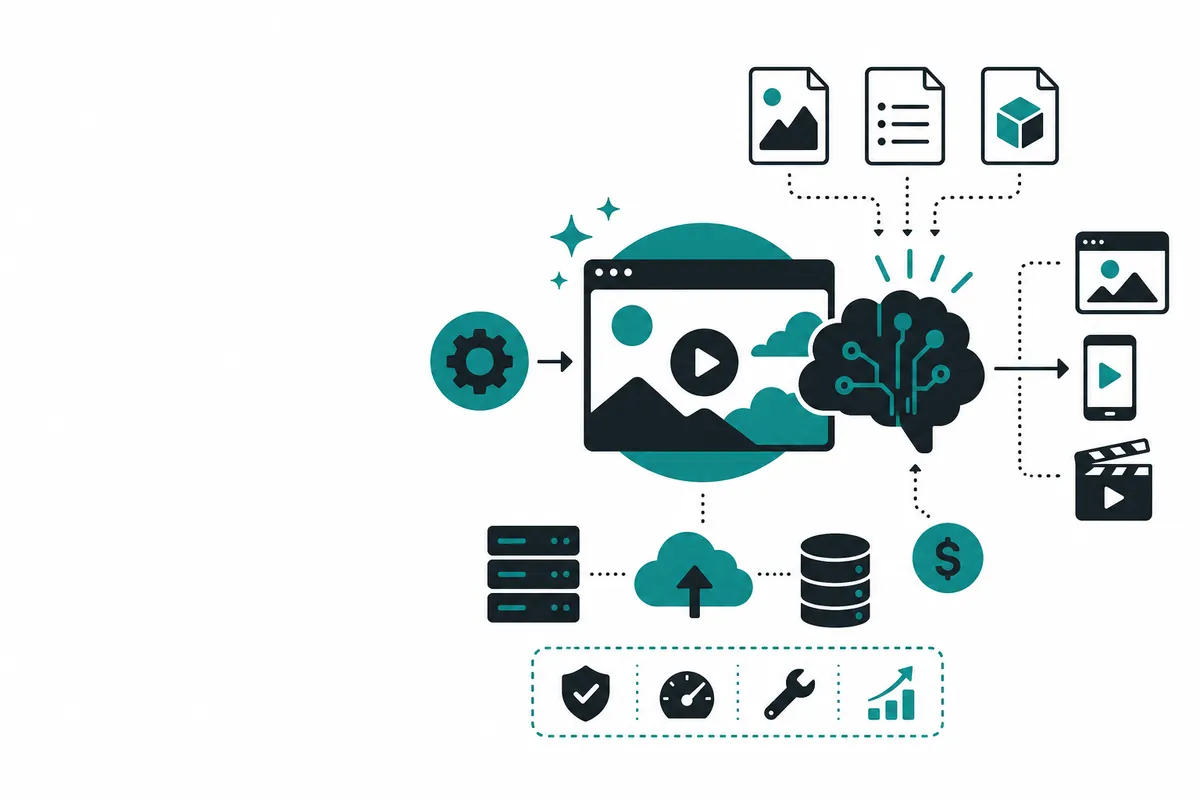
A developer-focused Pika 2.2 review covering video generation use cases, alternatives, API integration patterns, pricing questions, and production tips.
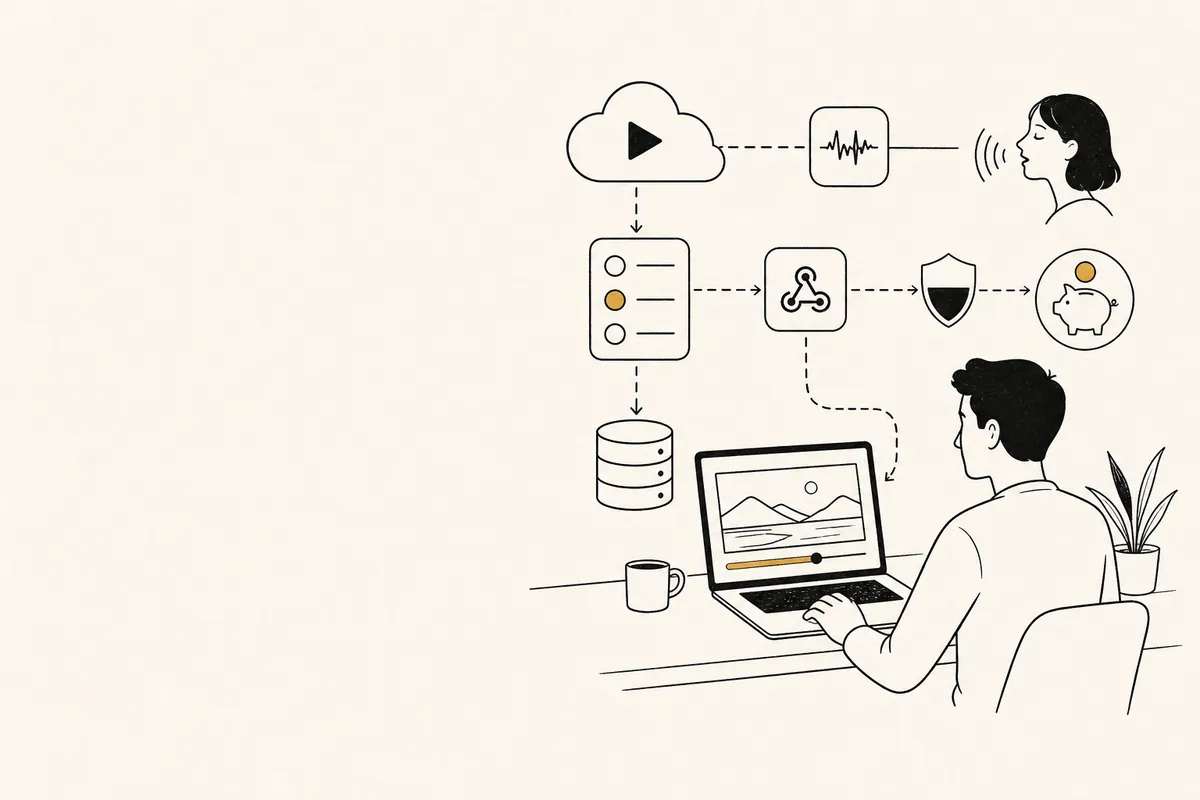
Build a reliable Google Veo3 API integration with async jobs, audio-aware prompts, webhooks, retries, and budget controls.
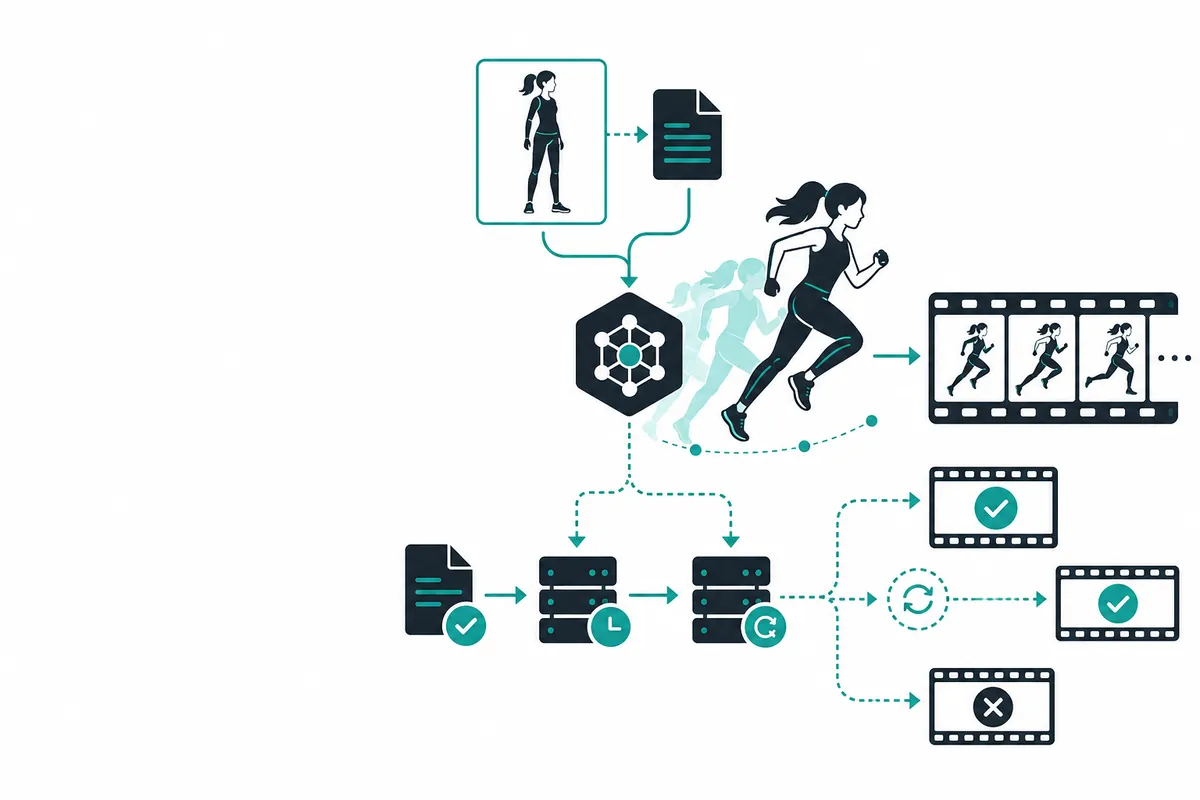
A practical WAN 2.2 Animate tutorial for controlled character motion, reference images, asynchronous jobs, and production retries.
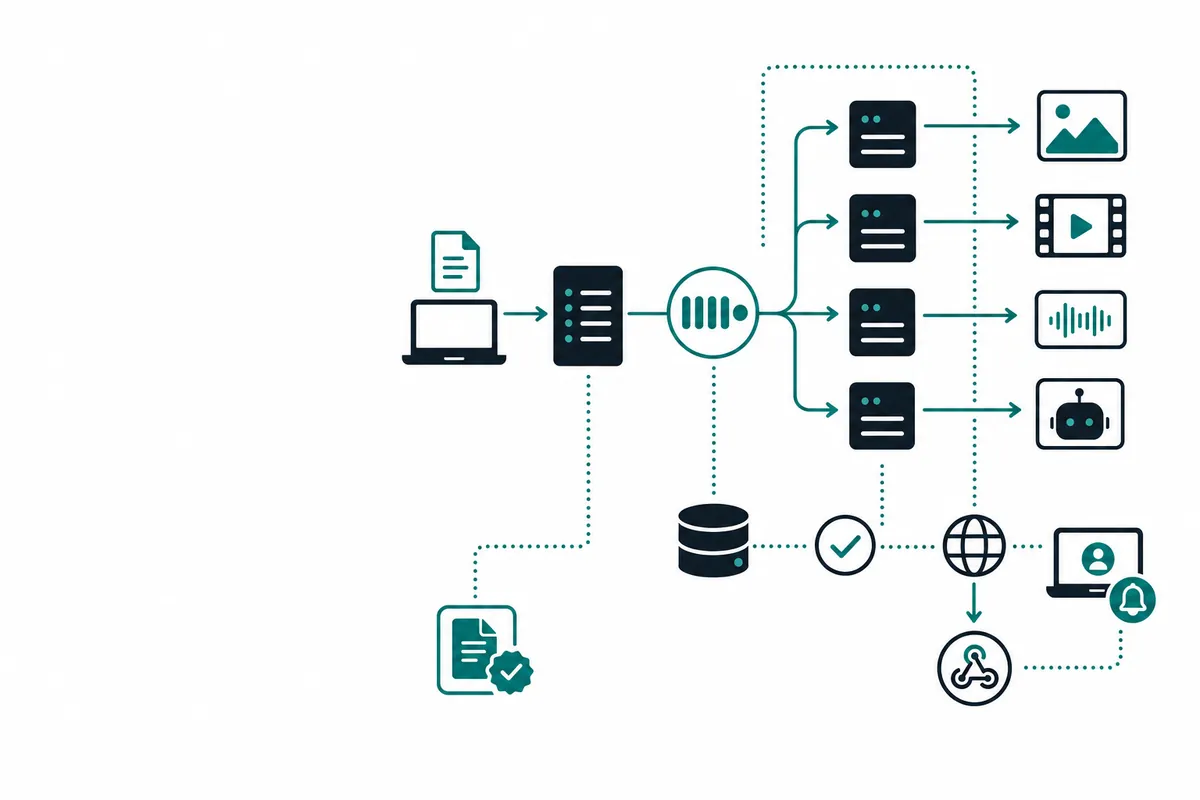
Design reliable asynchronous AI jobs for image, video, audio, and long-running agent tasks using queues, polling, webhooks, and idempotency.
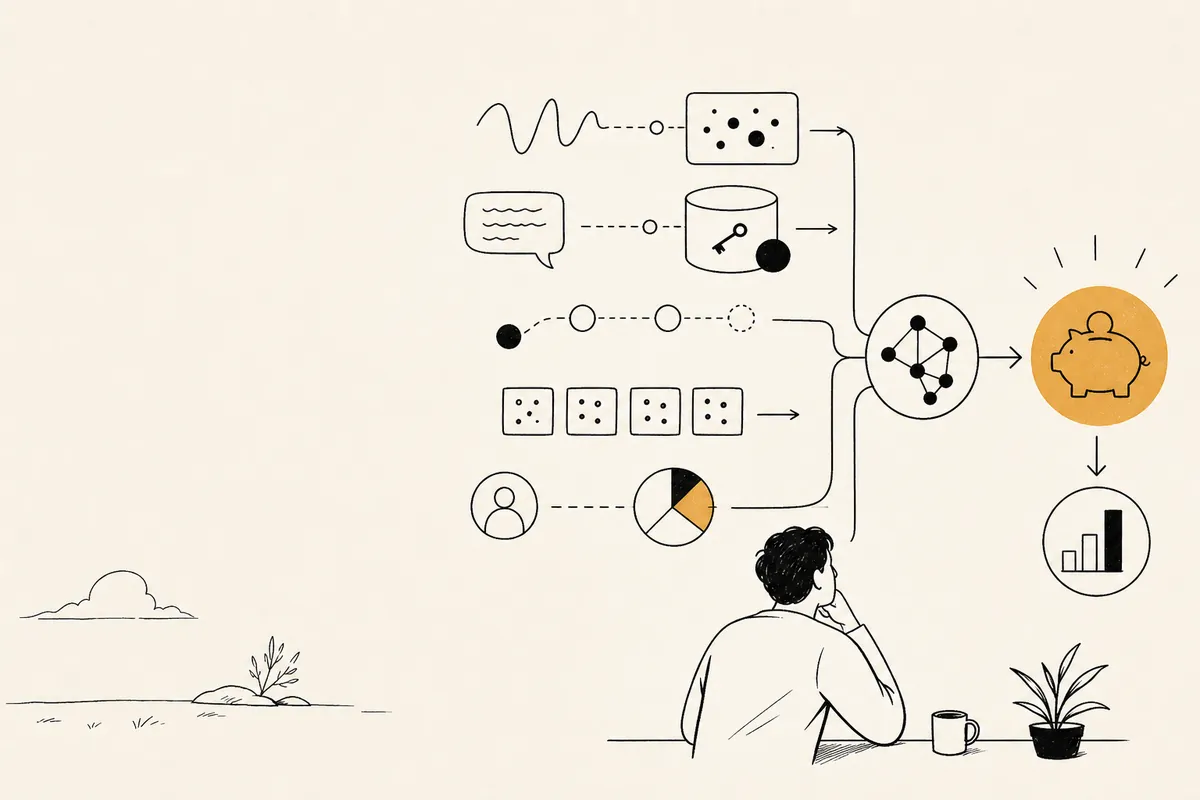
Reduce AI API spending with prompt budgeting, response caching, model cascades, batching, and usage-based cost attribution.

An AI API is an external boundary, even when it sits behind a friendly SDK. Your application sends prompts, files, tool definitions, and sometimes personal data to a model provider. A leaked key can c...
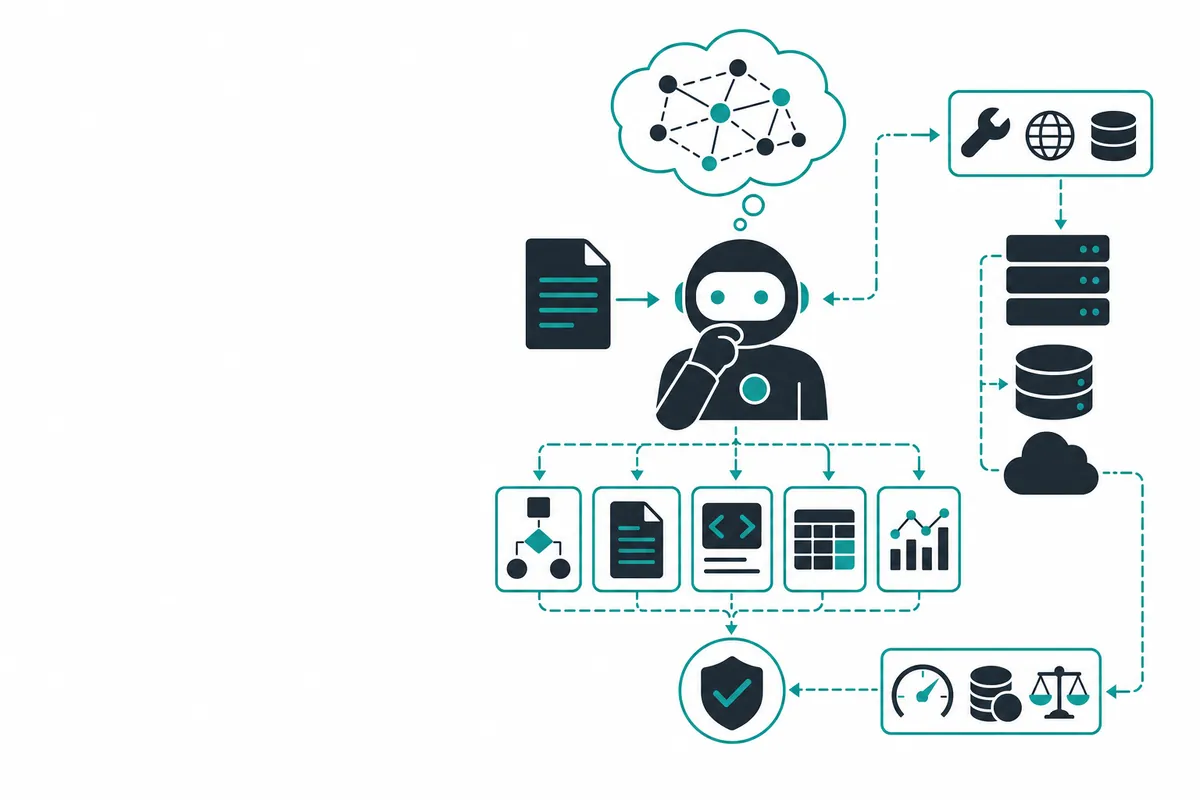
"A developer-focused Kimi K2 Thinking guide covering reasoning prompts, tool calling, evaluation, latency, and cost-aware routing."
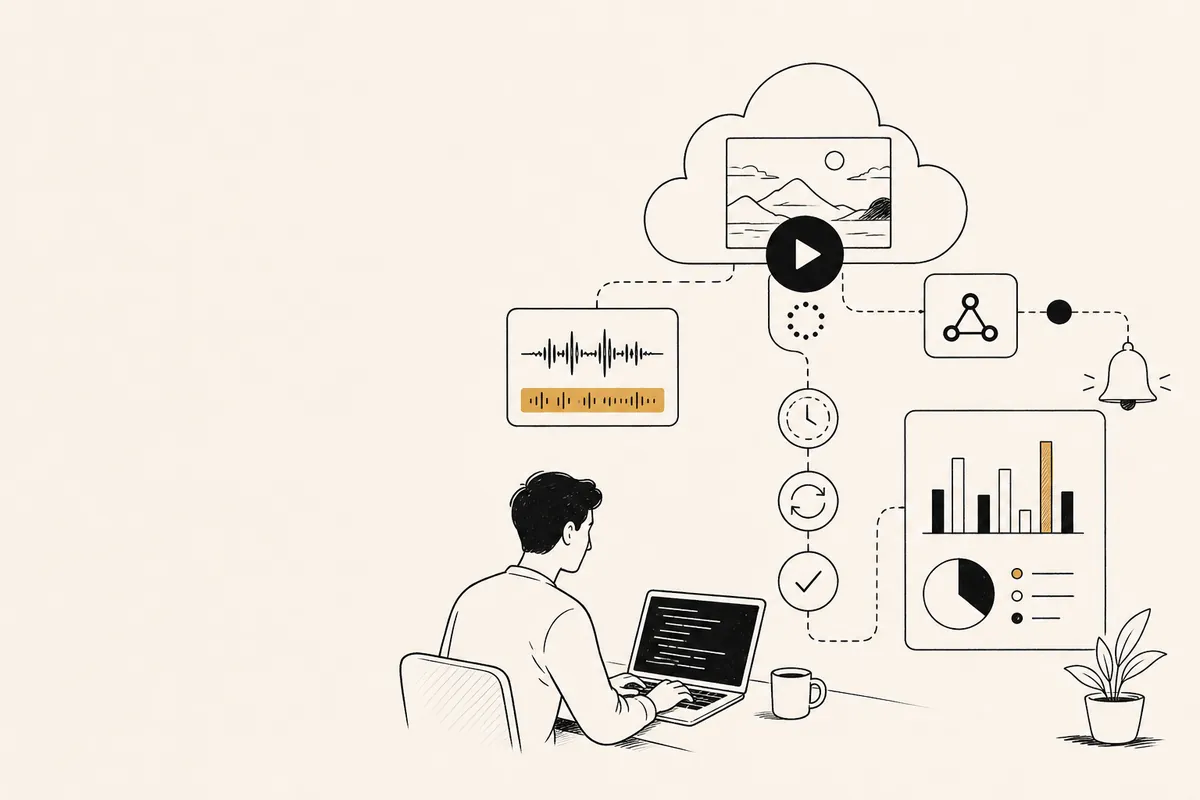
"Learn how to integrate Google Veo3 API workflows with async jobs, webhooks, audio-aware prompts, retries, and a pricing model."
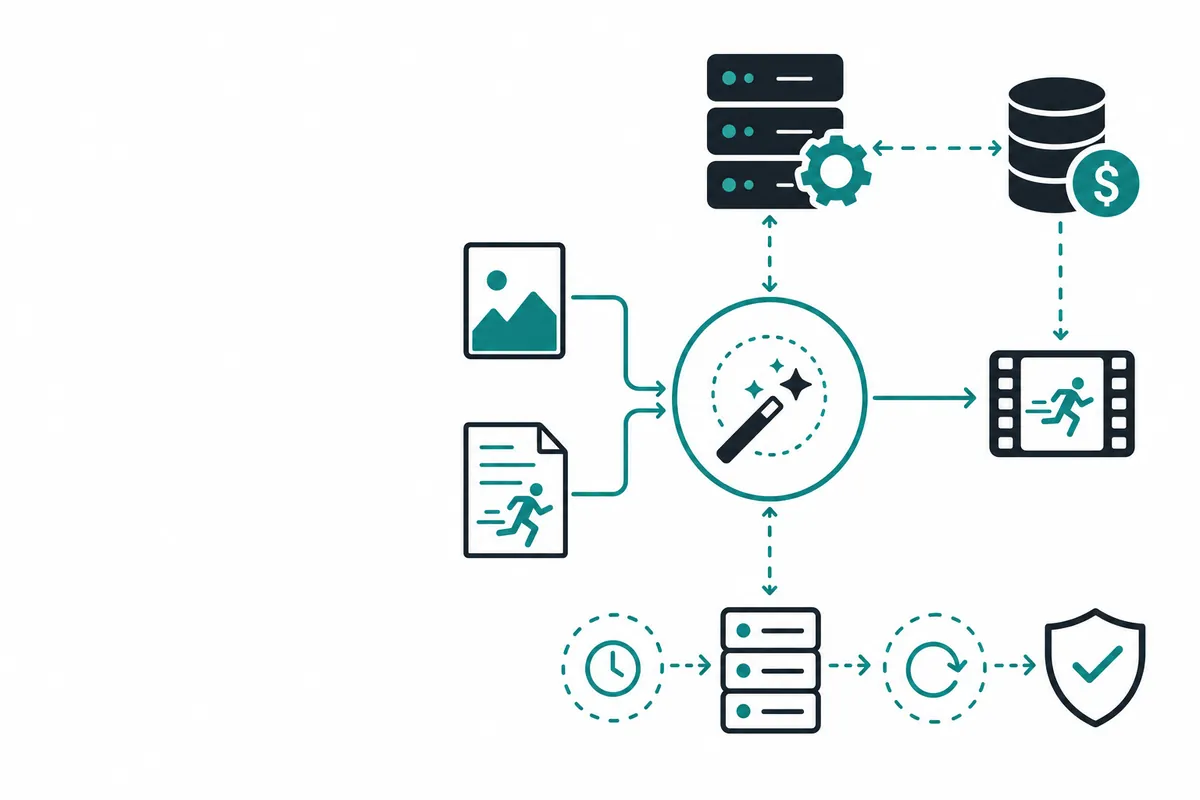
"Build a reliable WAN 2.2 Animate workflow with image inputs, motion prompts, asynchronous jobs, retries, and cost controls."