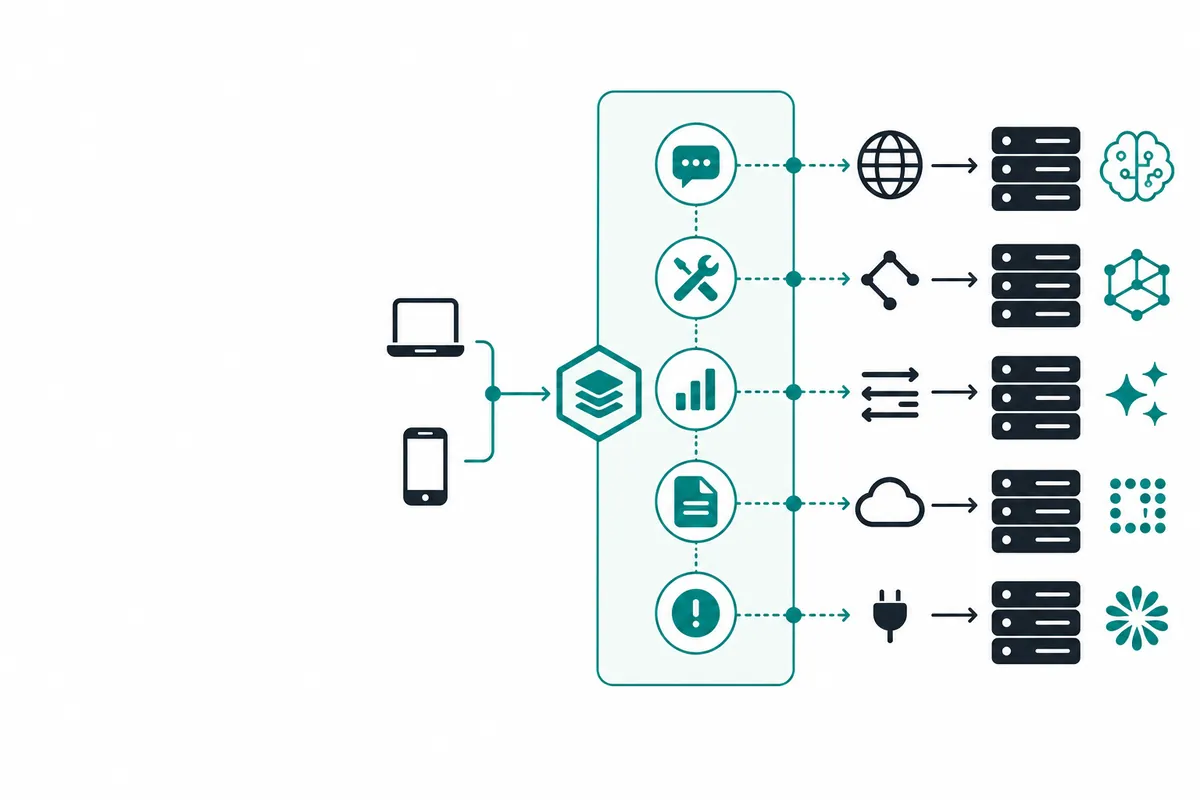


Designing an AI API Provider Abstraction Layer Without Losing Features
A provider abstraction should hide transport and lifecycle differences, not erase useful capabilities. Define a stable core for messages, tools, usage, err

Model updates, integration guides, pricing breakdowns, and tool workflows for developers and teams.

A provider abstraction should hide transport and lifecycle differences, not erase useful capabilities. Define a stable core for messages, tools, usage, err


Record request IDs, usage, latency and validated outcomes without logging prompts. A tested Python embedding example explains retries and cost reconciliation.

Build bounded AI API retries in Python with Retry-After, jitter, attempt limits, and an overall deadline. Includes tested failure cases and safe replay rules.

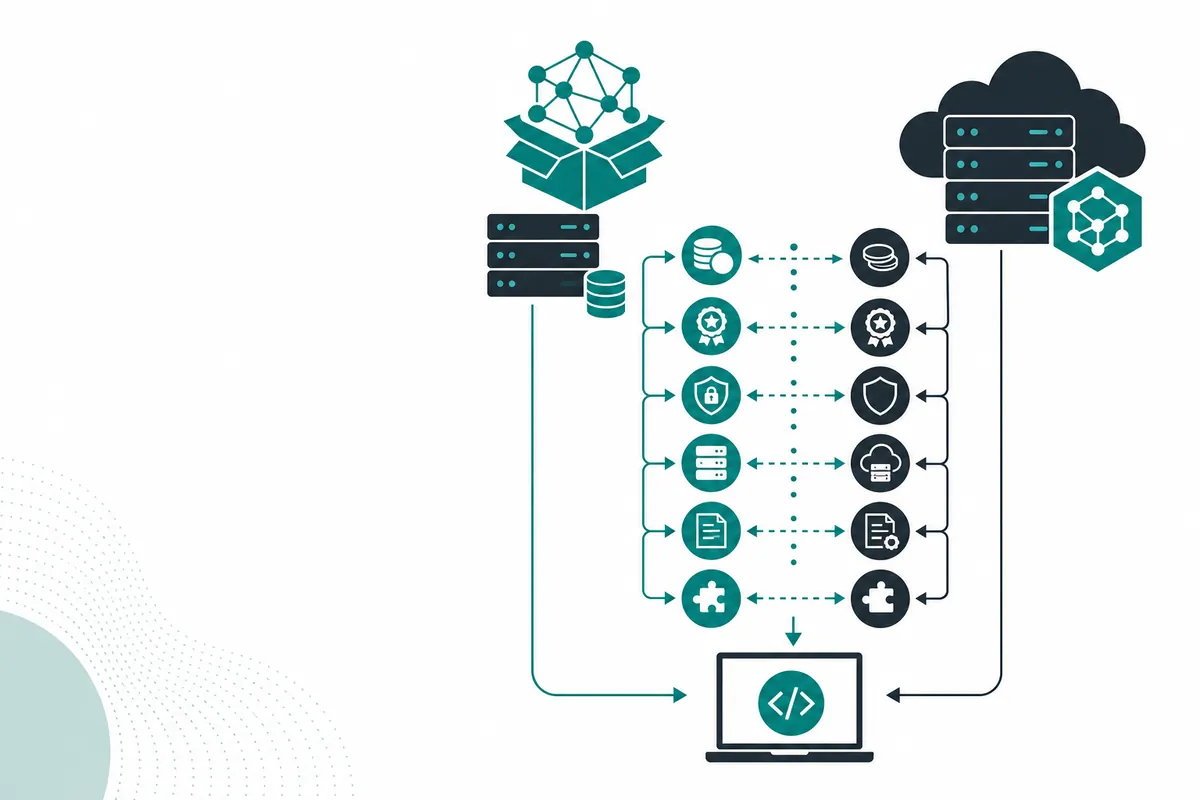
Compare open-weight and commercial AI models across cost, quality, privacy, operations, licensing, and API integration.

A practical guide to launching an AI SaaS with usage quotas, model routing, caching, observability, and predictable unit economics.

Compare routing, fallback, cascade, ensemble, and specialist patterns for coordinating multiple AI models in production.

A developer checklist for securing AI APIs against leaked keys, prompt injection, sensitive-data exposure, unsafe tools, and runaway spend.

Learn how to design portable function calling across OpenAI-compatible, Anthropic, Gemini, and open-model APIs with schemas, validation, retries, and routing.